SEO and GEO: what is the difference?
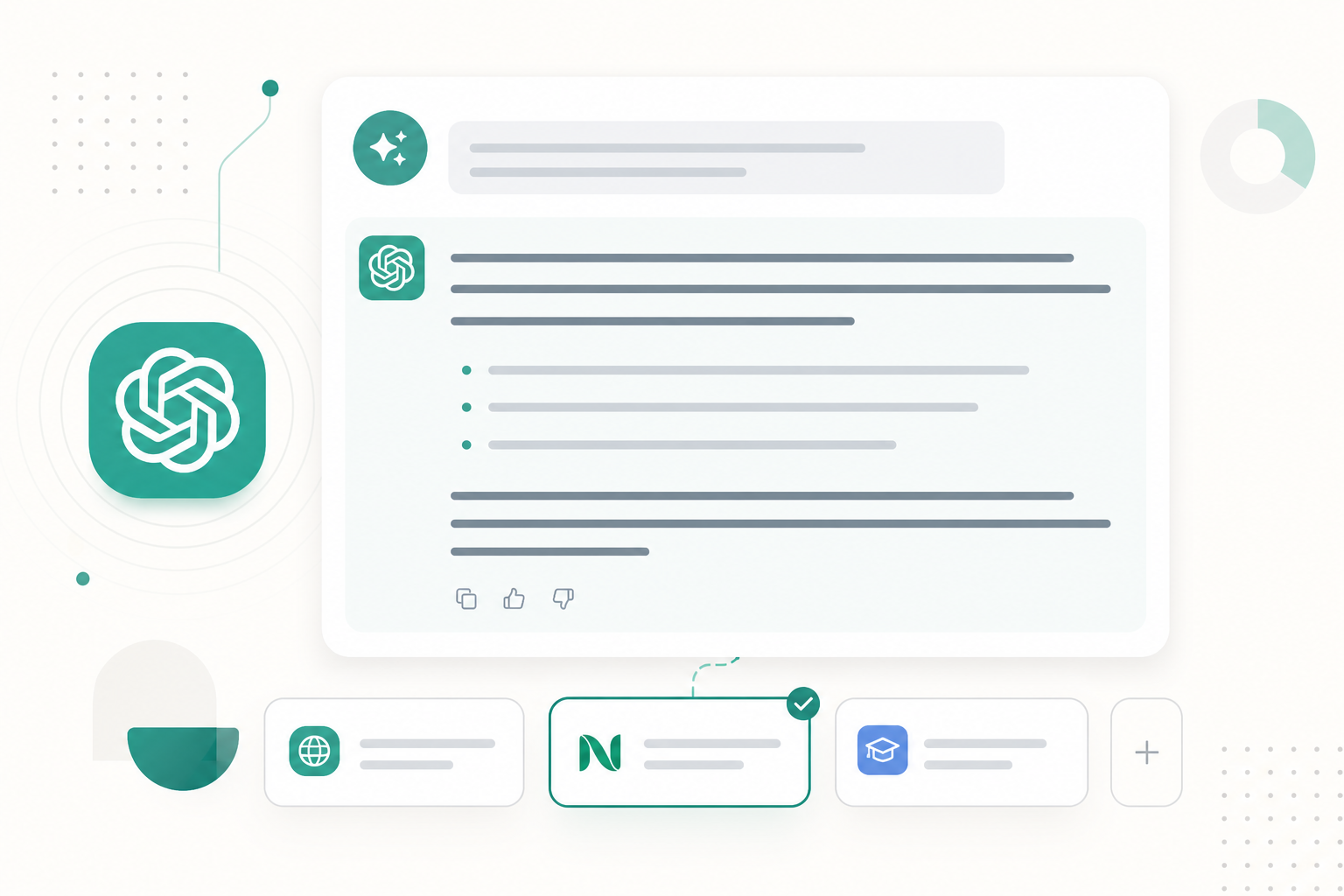
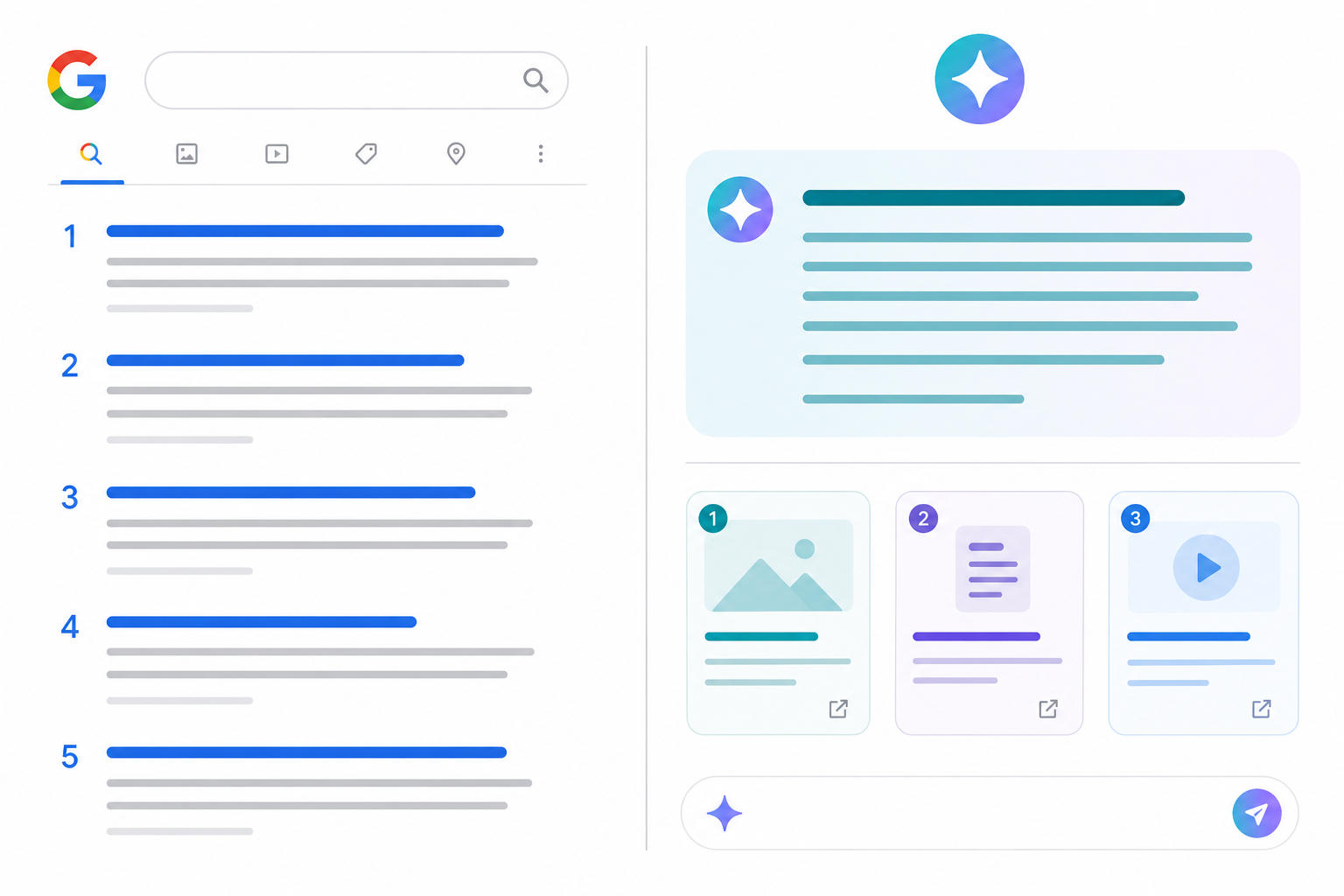
SEO (Search Engine Optimization) aims for a ranking on the results page: the goal is to be at the top when a user searches, and to earn a click to your page. GEO (Generative Engine Optimization) aims to have your brand mentioned or cited in an AI answer — in ChatGPT, Perplexity, or Google AI Overviews.
The difference is in the outcome: SEO earns a click, GEO earns a mention. In SEO you compete for ten blue-link spots; in GEO you compete for the three-to-five sources the AI selects for its answer. Authority and content quality decide both, but the optimization mechanics differ.
The key insight: GEO does not replace SEO. Good technical SEO and quality content are the foundation of GEO — roughly 60% of GEO is simply good SEO. On top come GEO-specific elements: entity management, citable structure, and AI-visibility monitoring.
Where do SEO and GEO overlap?
A large share of optimization benefits both channels at once. The technical foundation — indexability, speed, mobile-friendliness, structured data — is a prerequisite for both Google rankings and AI engines' ability to find and interpret your content.
Content quality and depth serve both: Google rewards expert, comprehensive content with rankings, and AI engines favor the same qualities in source selection. E-E-A-T (experience, expertise, authoritativeness, trustworthiness) is the common denominator.
- Technical SEO (indexing, speed, schema) — foundation for both
- Deep, expert content — Google and AI favor the same
- E-E-A-T and authority — shared ranking/source-selection signal
- Structured data — rich snippets in Google, entities for AI
- Brand mentions in external sources — lift both
When to emphasize SEO vs. GEO?
The emphasis depends on industry and audience. If your customers make transactional searches ("buy", "price", "near me") and click results, classic SEO and Google Ads still drive most of the traffic. E-commerce and local services lean heavily on SEO.
If your audience makes exploratory, informational searches ("how does X work", "best way to Y") and increasingly uses AI tools, the importance of GEO grows fast. B2B, professional services, and complex buying decisions are more exposed to the impact of AI search.
In practice most brands need both. Start by getting the SEO foundation right (it also serves GEO), then expand into GEO-specific work: citable content structure, entity management, and AI-visibility monitoring.
How to measure SEO and GEO?
Measuring SEO is mature: Google Search Console (impressions, clicks, positions), organic traffic in analytics, and keyword tracking. These tools are established and accurate.
Measuring GEO is newer and less straightforward. Track your brand mentions in AI answers by testing 20–30 relevant questions monthly in ChatGPT and Perplexity, document mentions and competitor visibility, and follow the trend. Automated GEO-monitoring tools are emerging.
Common mistakes in SEO/GEO strategy
We see these mistakes repeatedly as brands try to adapt to the AI-search era.
- Starting GEO before the SEO foundation is in place → the base is shared
- Producing separate thin "AI-optimized" pages → AI favors depth
- Abandoning SEO "because everything moves to AI" → classic search is still the majority
- Neglecting schema markup → you lose both rich snippets and entity support
- Not measuring → without tracking you do not know which channel delivers
Frequently asked questions
Does GEO replace SEO?
No. GEO extends SEO into AI search. Roughly 60% of GEO is good technical SEO and quality content — the same foundation serves both. Classic search is still the majority of searches.
Do I need separate content for AI search?
Not advisable. The most effective approach is one high-quality piece of content that ranks on Google and serves as a source in AI answers. Clear structure, an FAQ section, and schema serve both channels.
Which should I invest in more?
It depends on the industry. Transactional sectors (e-commerce, local services) lean on SEO; exploratory, informational buying journeys (B2B, professional services) benefit from GEO quickly. Most need both.
How do I measure GEO visibility?
Test 20–30 relevant questions monthly in ChatGPT and Perplexity, document your brand mentions and competitor visibility, and track the trend. SEO you measure with Search Console and analytics.