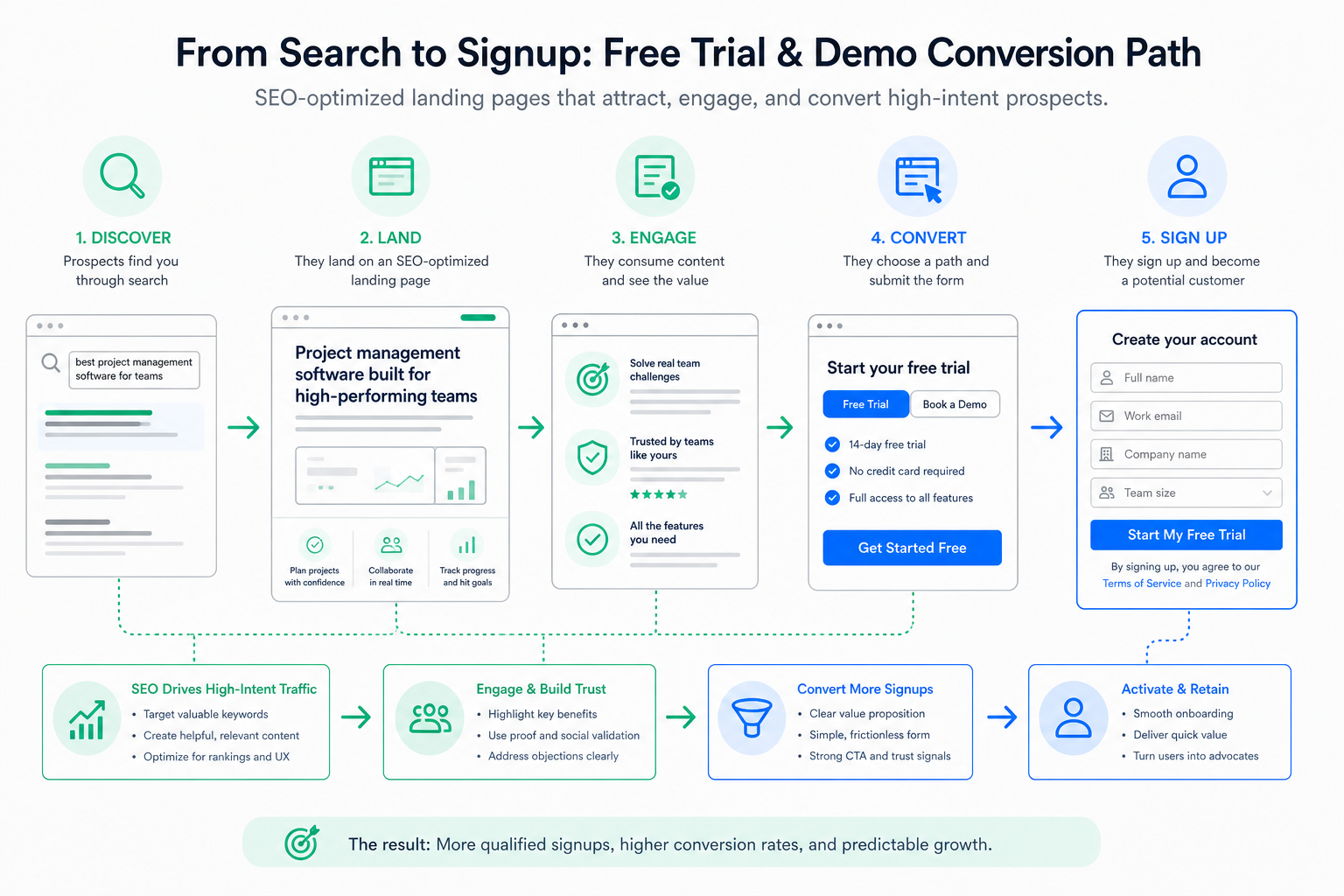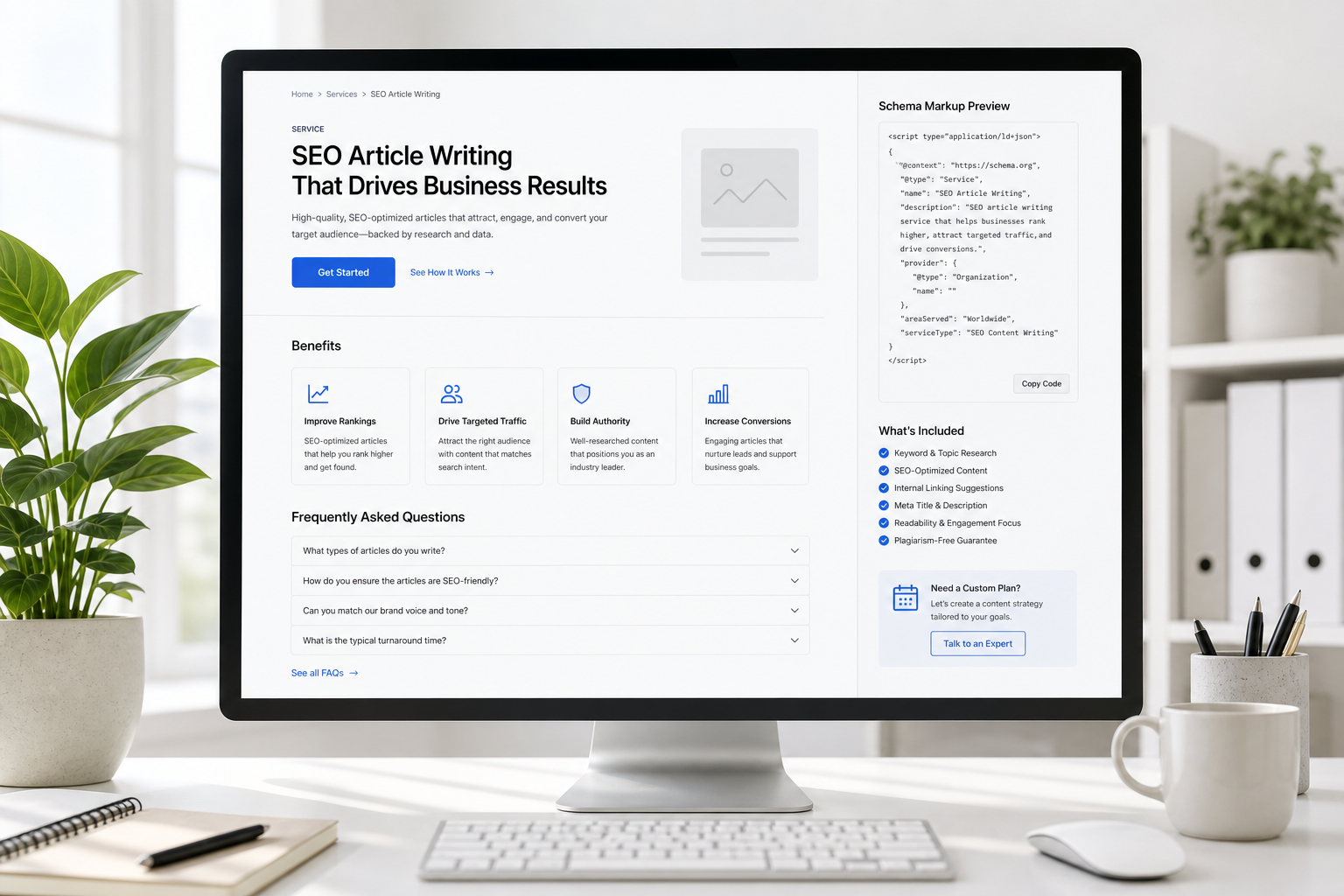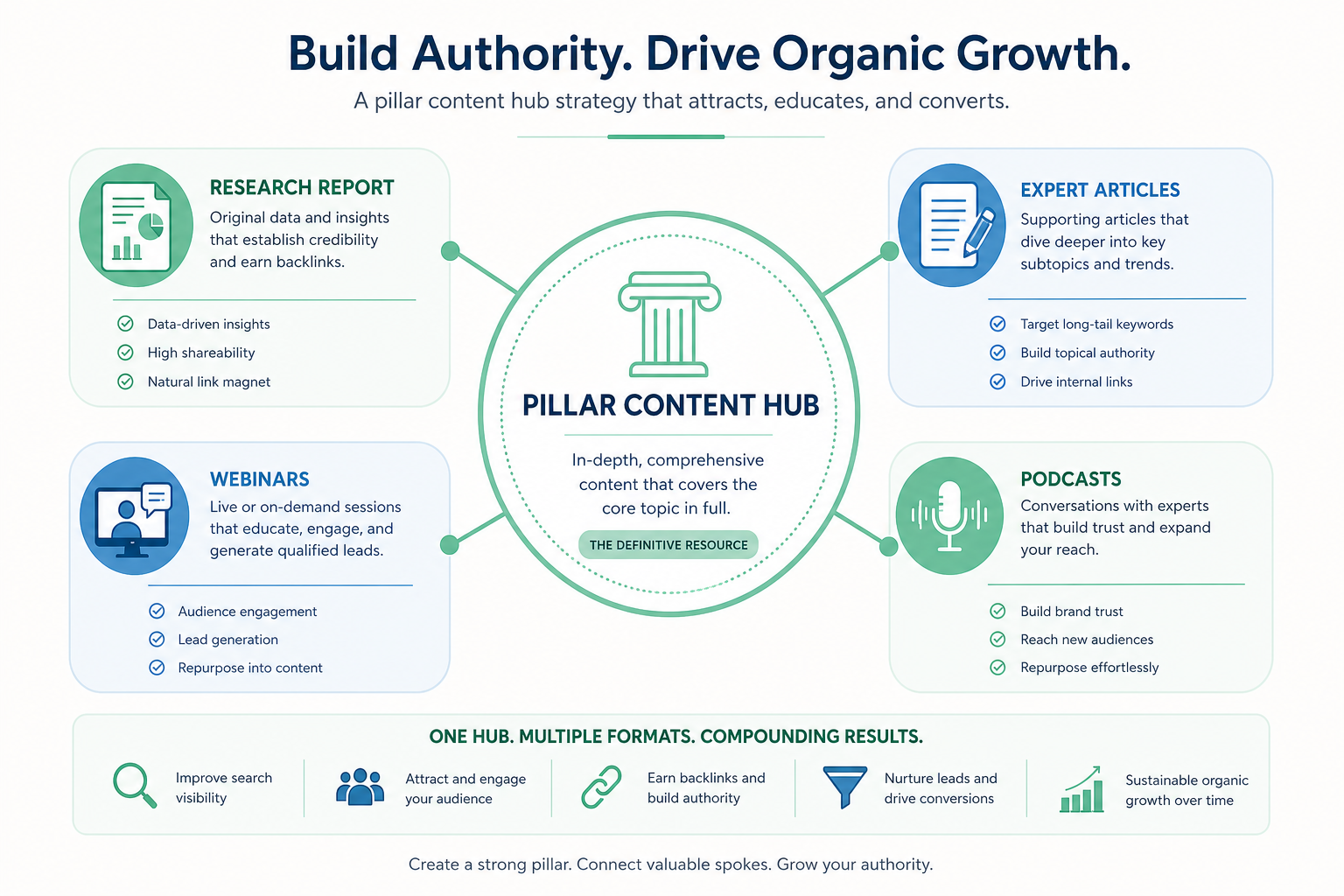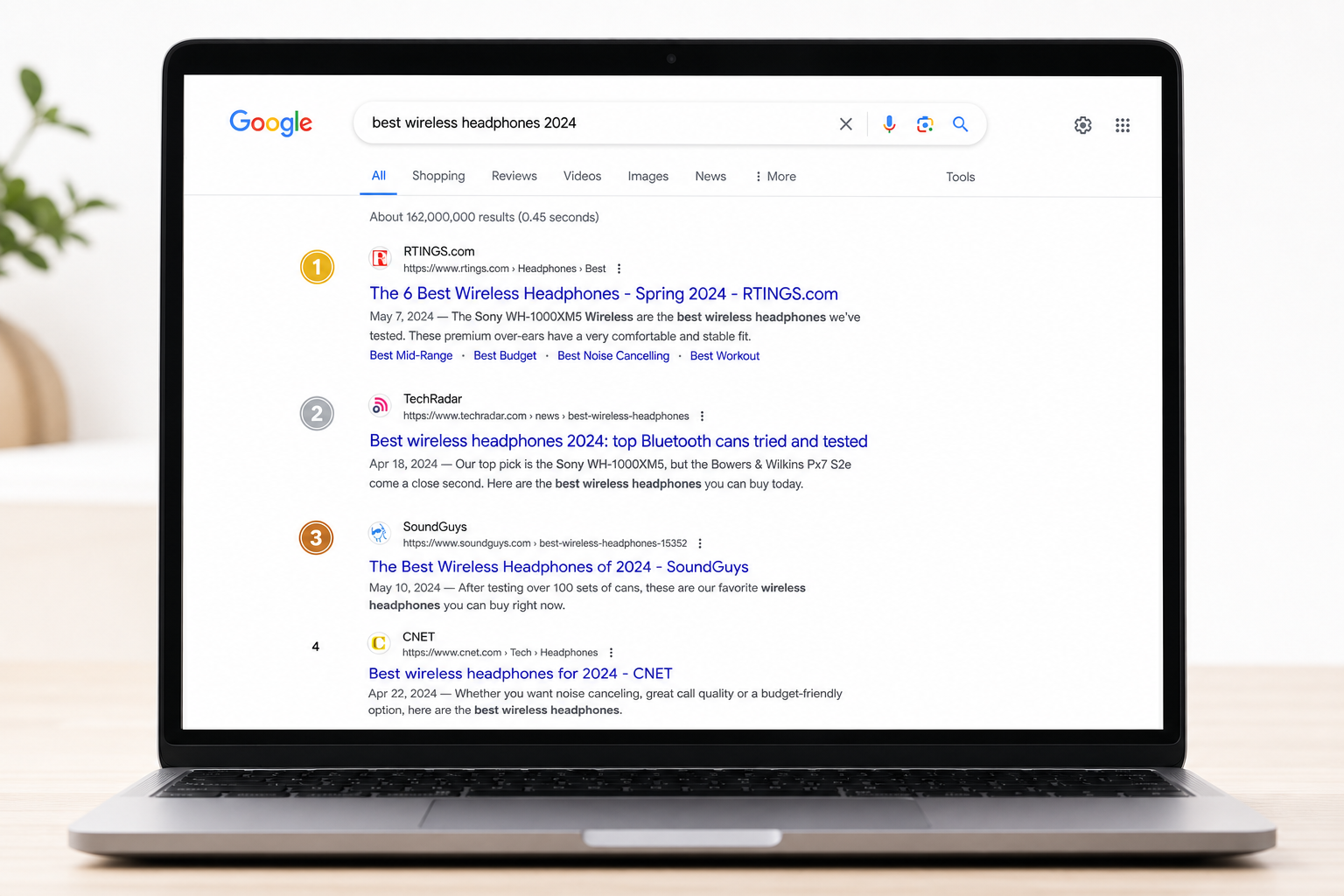
Search engine optimization (SEO) is the most profitable digital marketing channel long-term — organic traffic is free, trusted, and scalable. But SEO is no longer just keyword stuffing: Google's algorithm evaluates your site's technical quality, content depth, user experience, and authority as one whole. AlgoTerra combines technical SEO, data-driven content strategy, and continuous monitoring into an algorithmic process that improves your rankings systematically.
Why is search engine optimization still the most important organic channel?
Google processes over 8.5 billion searches per day, and organic search results account for about 53% of all website traffic. When your site ranks high for relevant keywords, you get continuous, free traffic without ad budget — unlike Google Ads or Meta advertising.
Organic traffic is also more trusted: research shows users trust organic search results more than paid ads. 71% of B2B buyers start their purchase process with a Google search. If you're not there, your competitors are.
SEO requires patience and systematic work. Google's algorithm updates hundreds of times per year, and black hat tactics (keyword stuffing, bought links, cloaking) lead to penalties. AlgoTerra's approach is based on sustainable SEO following Google's own guidelines — not short-term tricks.
- Organic traffic requires no ad budget — SEO investment grows in value over time
- Sustainable competitive advantage — #1 ranking is harder to replace than an ad campaign
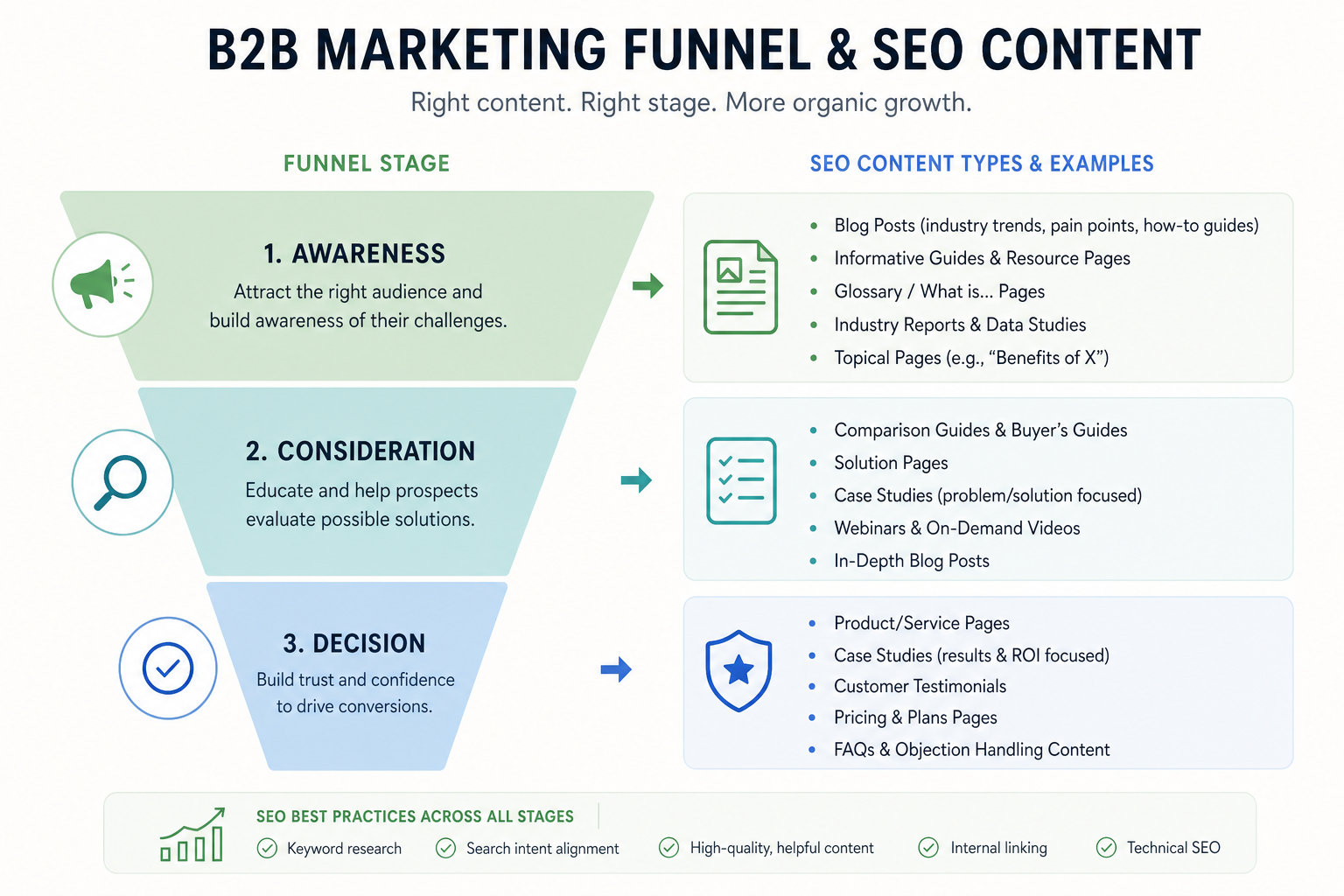
- Covers the full purchase journey — informational, comparative, and transactional searches
- Supports other channels — organic traffic improves Quality Score in Google Ads
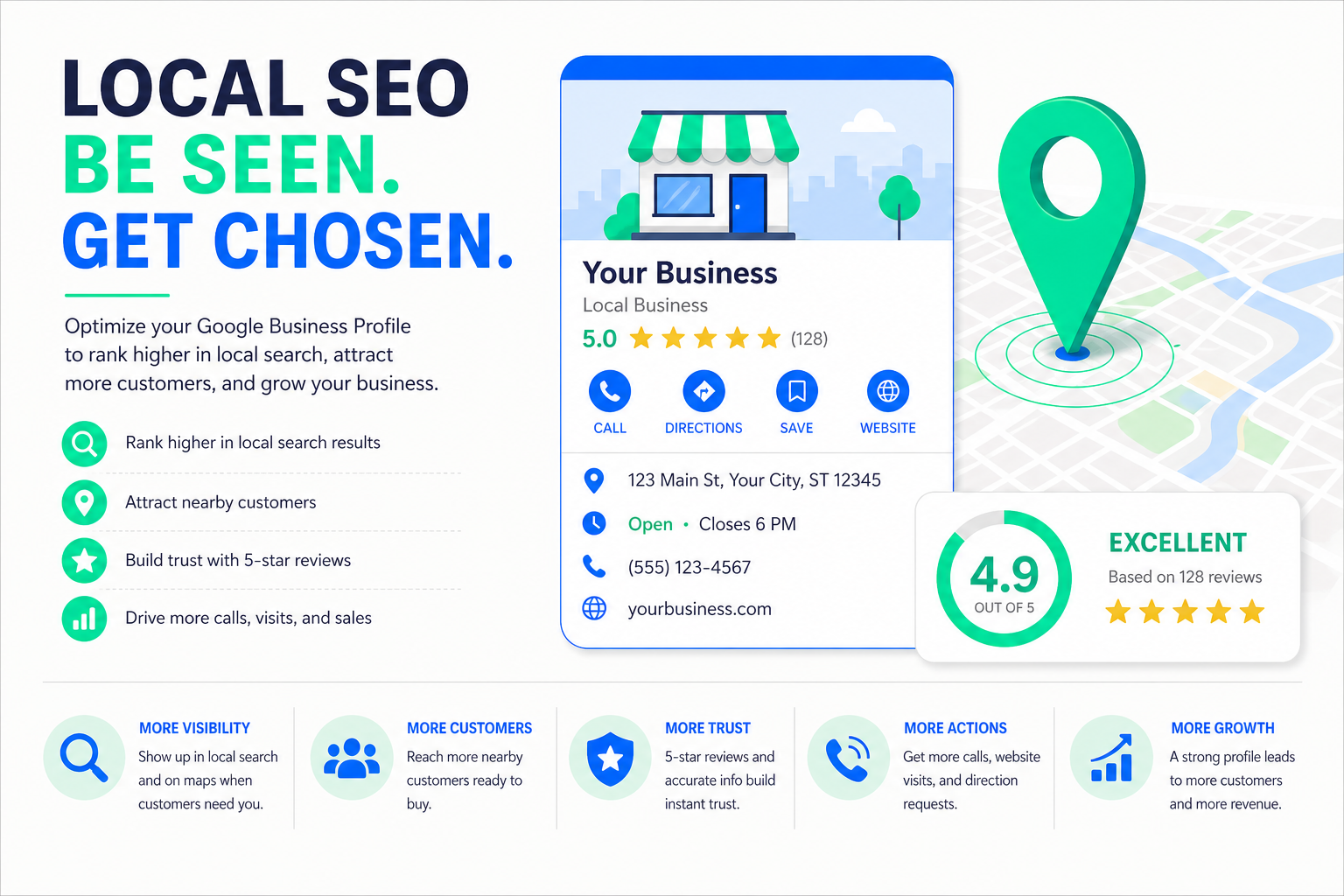
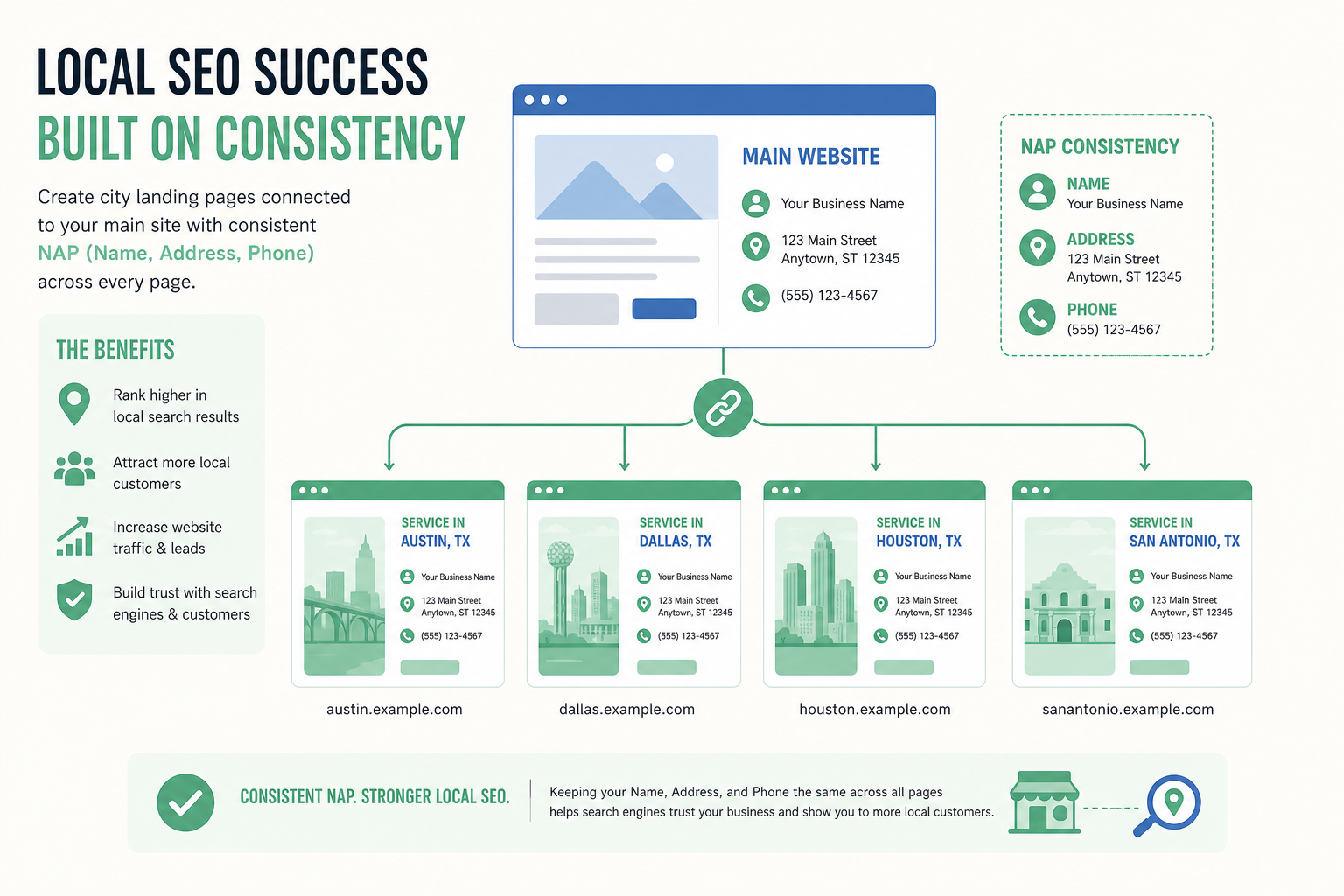
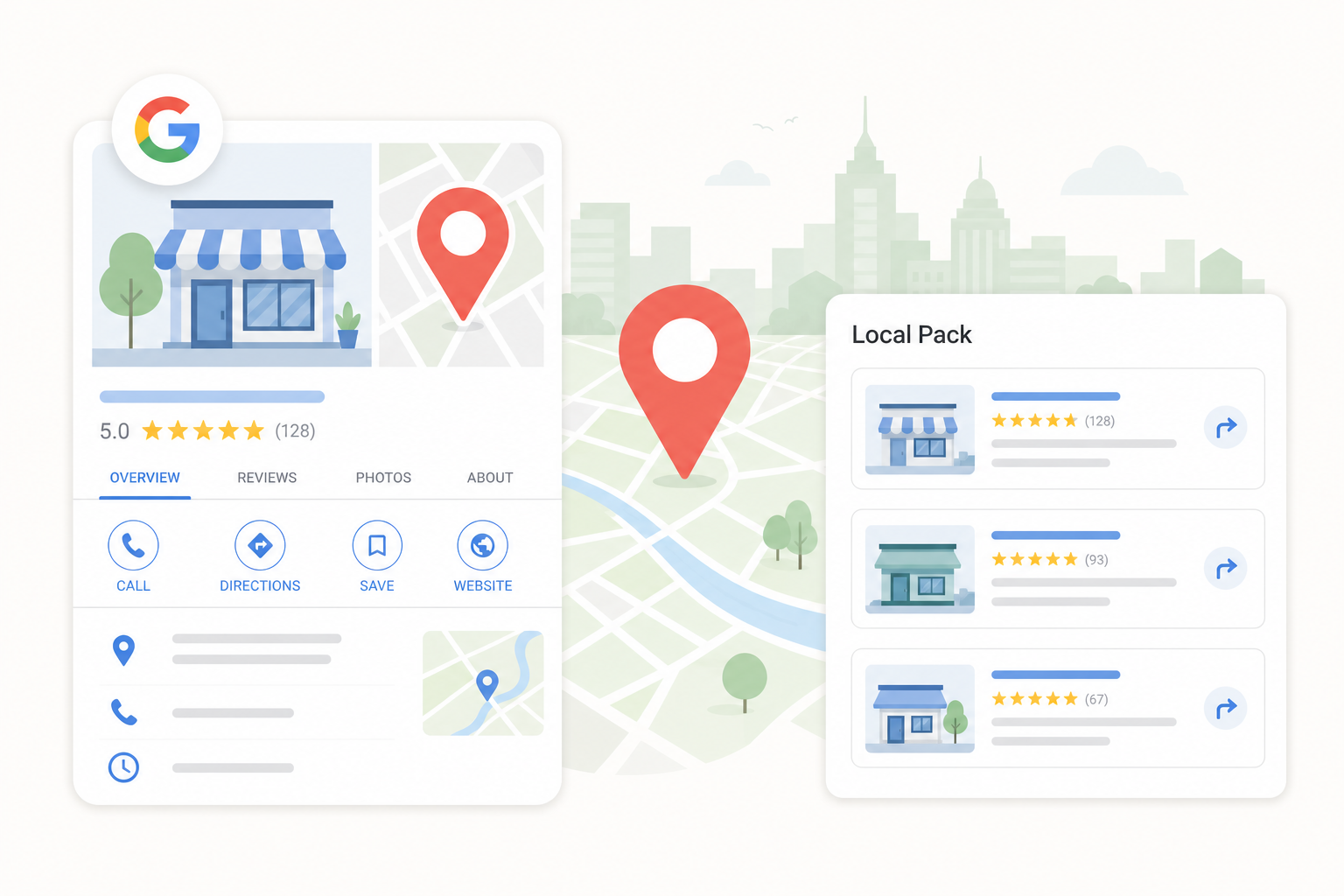
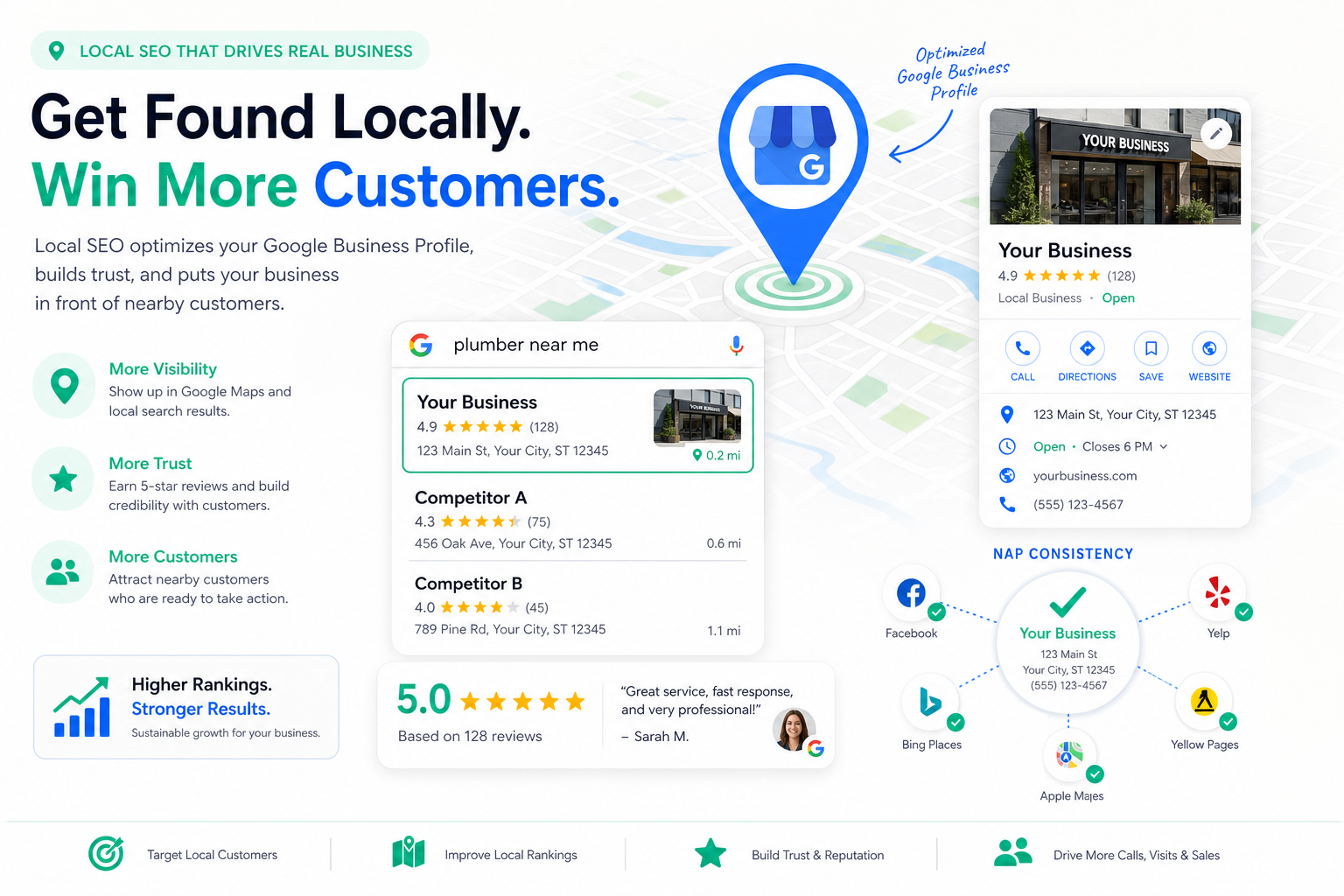
- Local SEO — Google Business Profile and map searches for local businesses
Four SEO pillars — how does search optimization work?
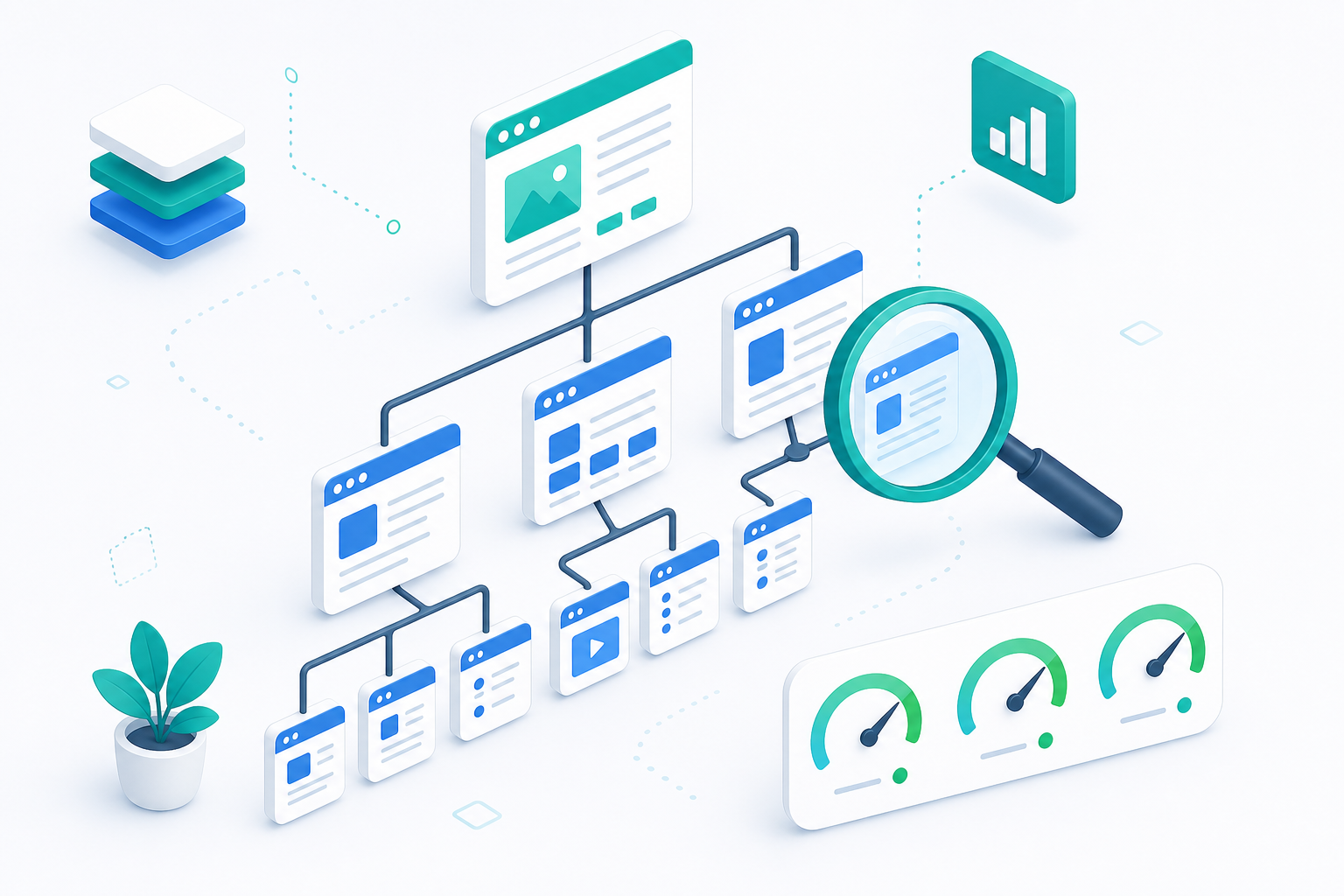
Effective SEO is built on four interconnected pillars. A weak point in one pillar slows growth across the entire site — which is why AlgoTerra optimizes all four as one system.
Technical SEO
Your site's technical foundation: indexability, speed, mobile-friendliness, HTTPS, sitemap, robots.txt, and structured data. Without technical health, content cannot even compete.
- 100% indexability
- CWV: green
- Crawl budget optimization
On-page SEO
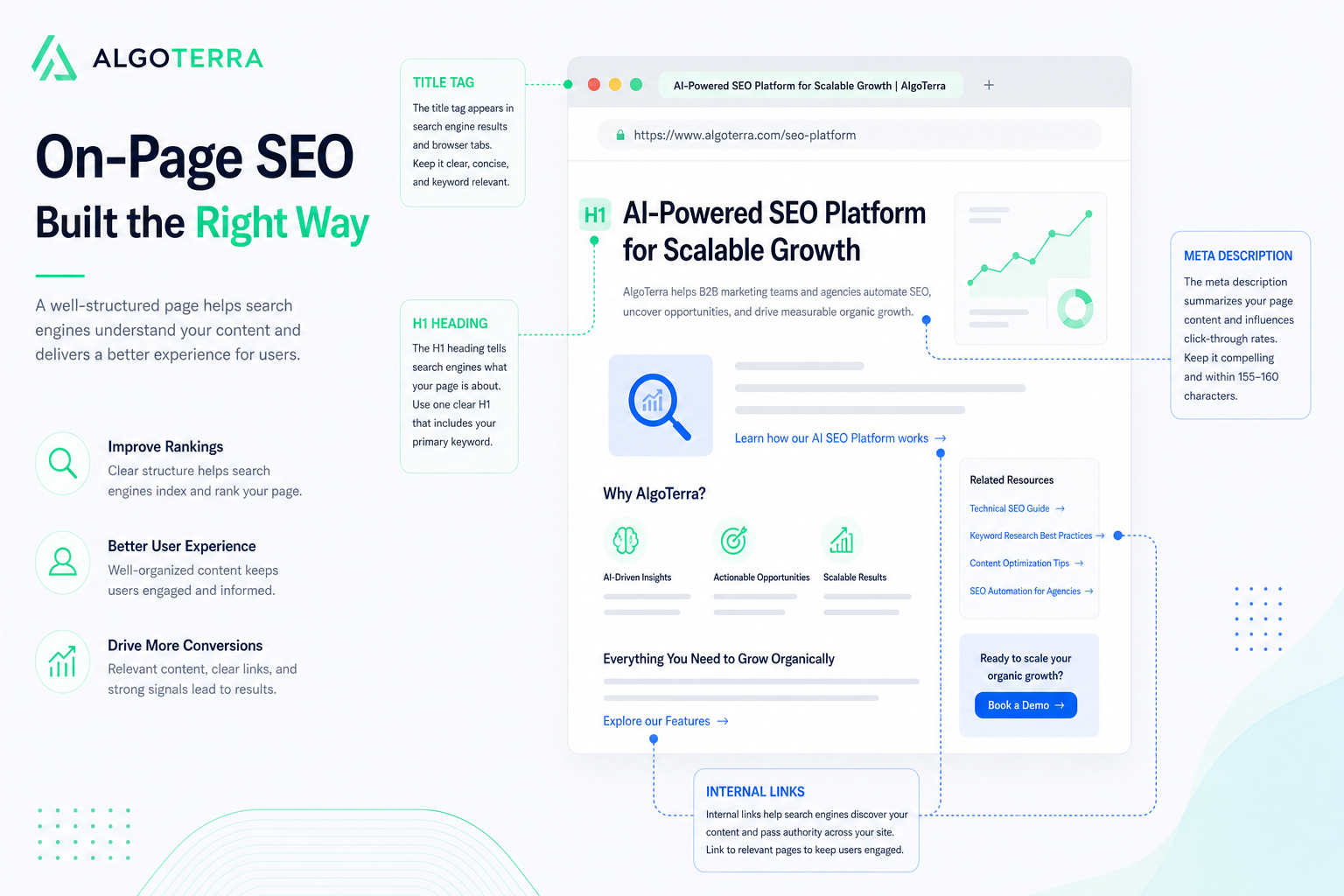
Keywords, headings, meta descriptions, URL structure, internal linking, and content relevance. Each page optimized for a specific search intent.
- Intent matching
- E-E-A-T signals
- Featured snippets
Content strategy
Systematic content production and optimization based on keyword research. Topic cluster model, content calendar, and updating existing content.
- Topic authority
- Content gaps
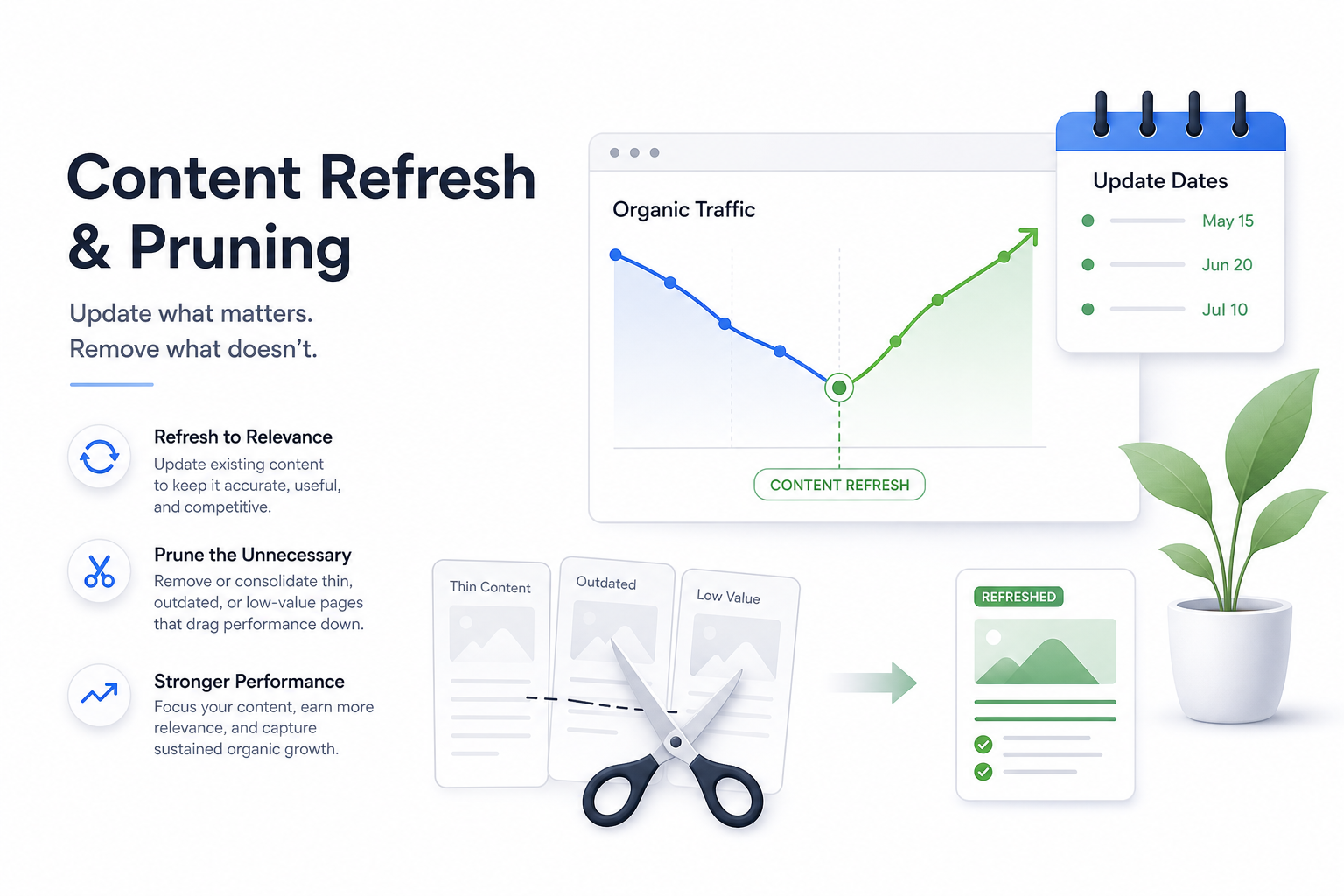
- Content refresh
Off-page & authority
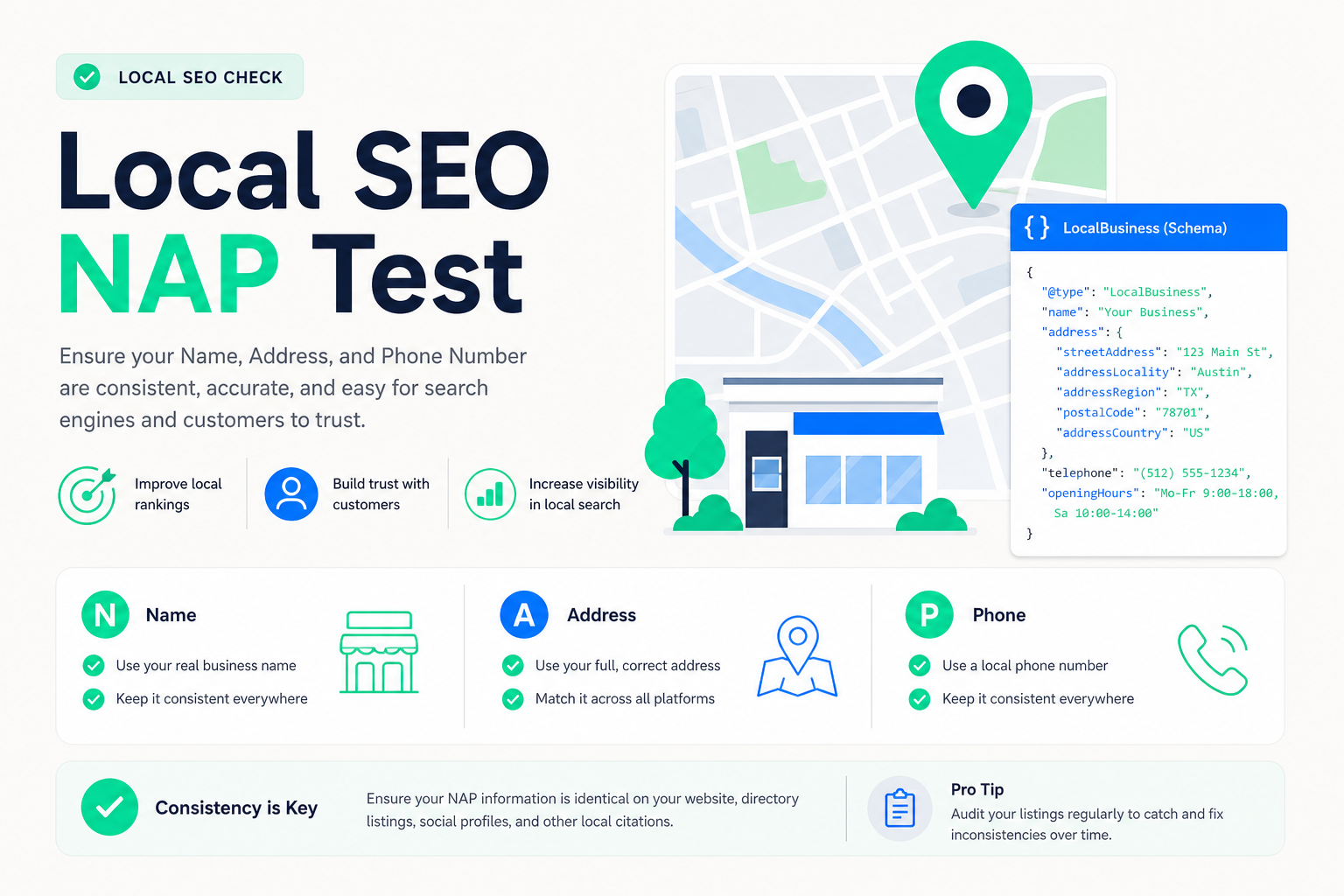
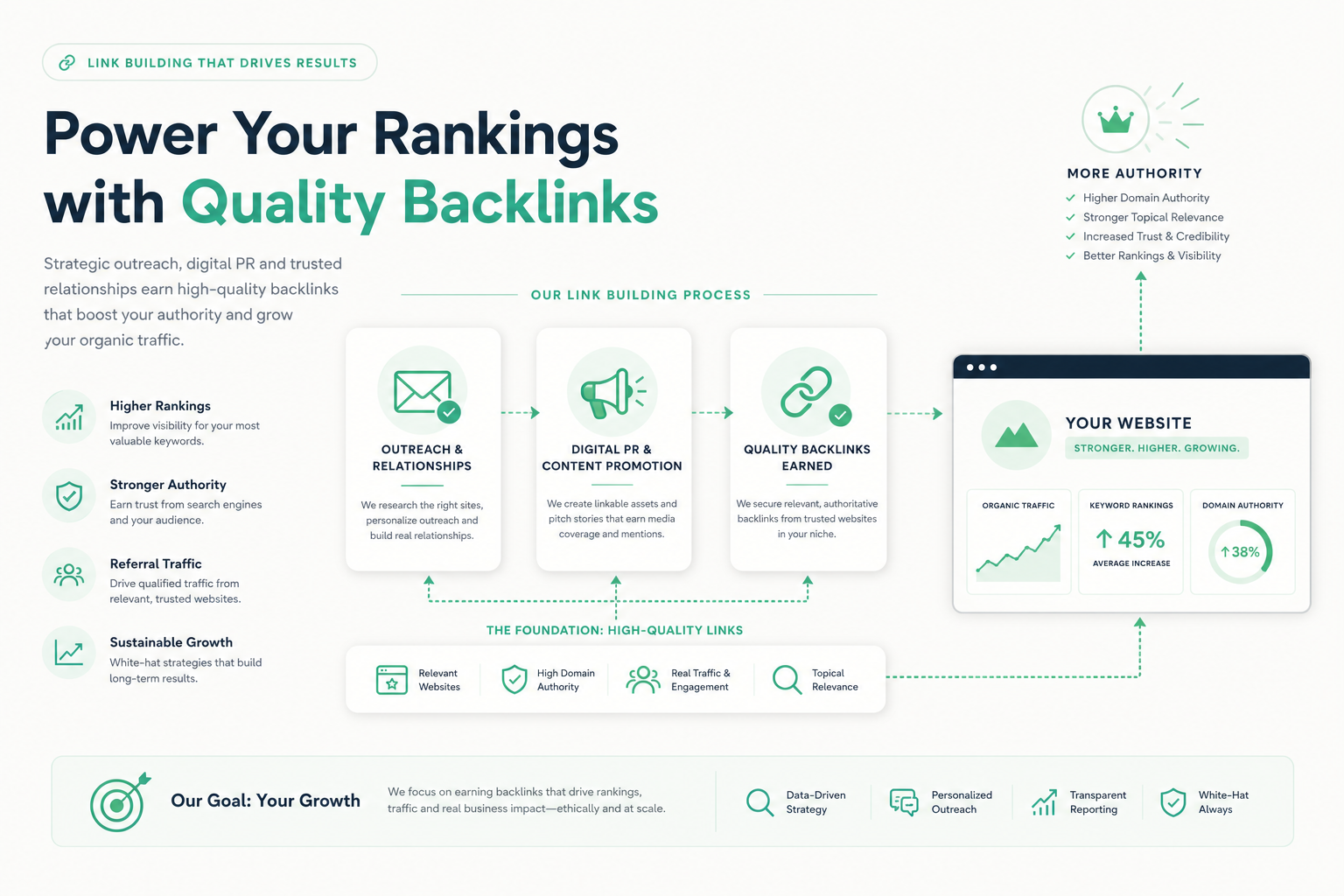
Backlinks, brand mentions, local citations (NAP), and domain authority. Quality links remain one of the strongest ranking signals.
- Domain Rating
- Referring domains
- Link velocity
Keyword research — which search terms are worth targeting?
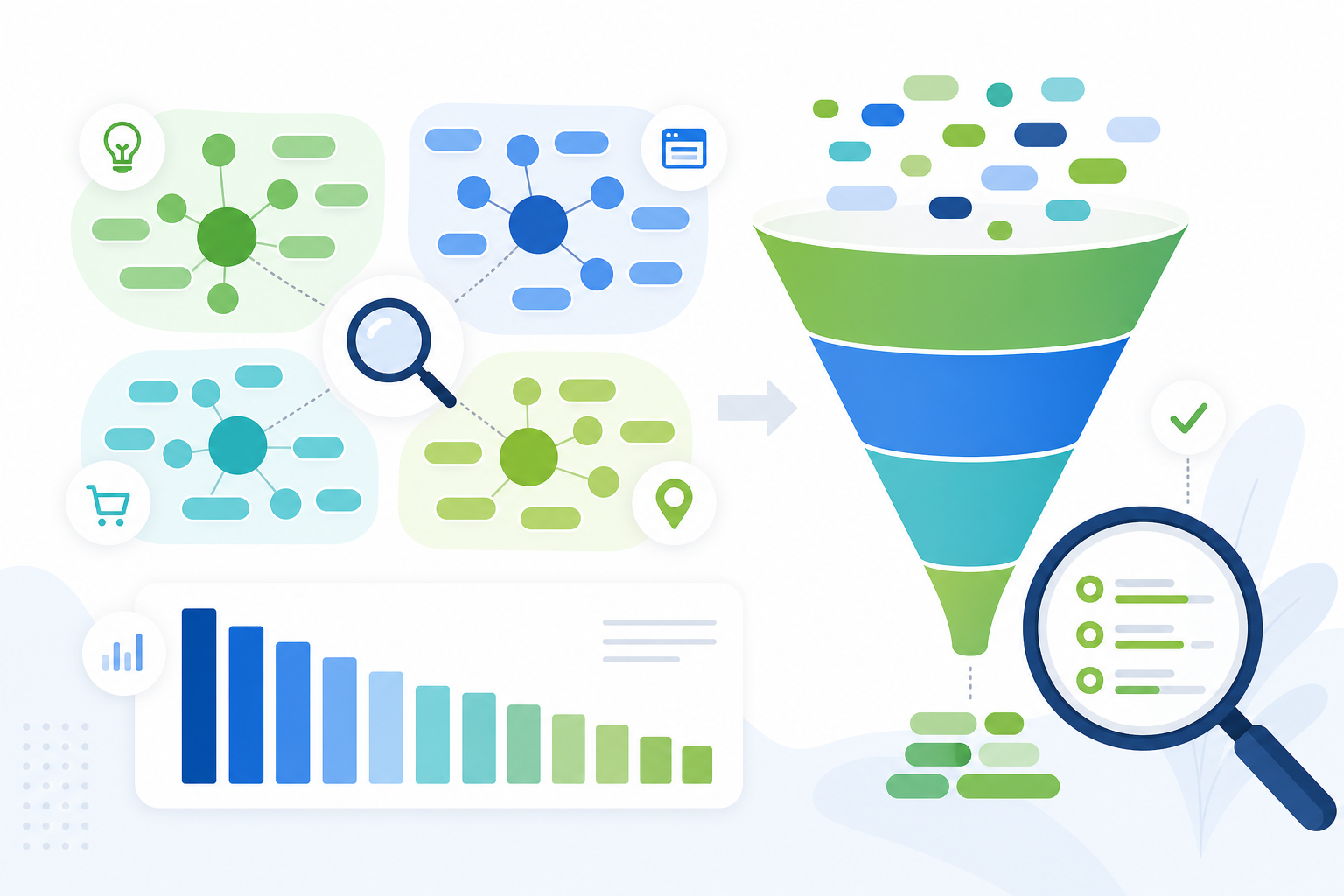
Keyword research is the foundation of SEO. Wrong keywords bring traffic that doesn't convert — right keywords bring purchase-ready users.
AlgoTerra analyzes keywords on three levels: Search volume — how many times a keyword is searched monthly. Keyword Difficulty — how hard it is to rank in the top 10. Business value — how likely the keyword produces a conversion.
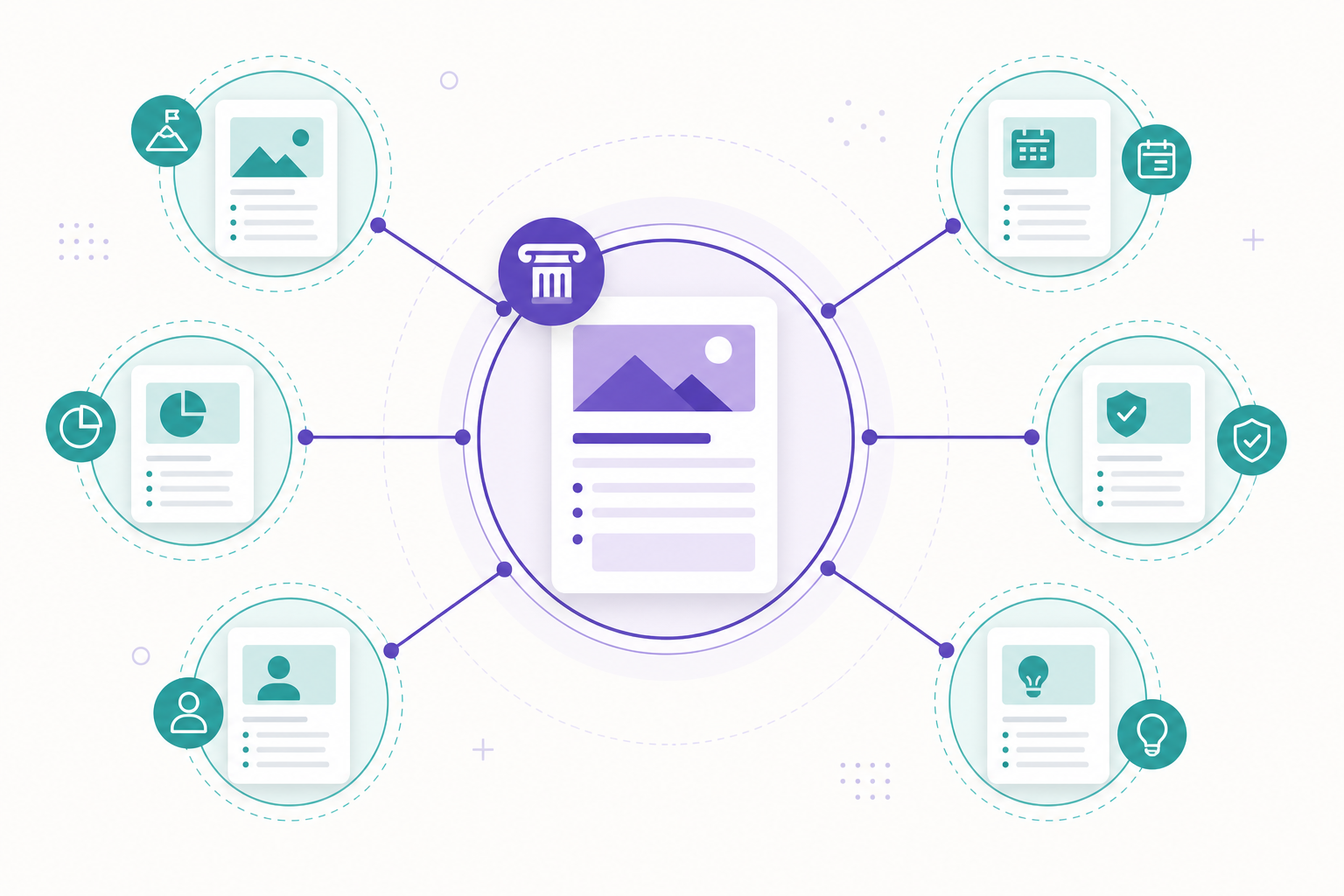
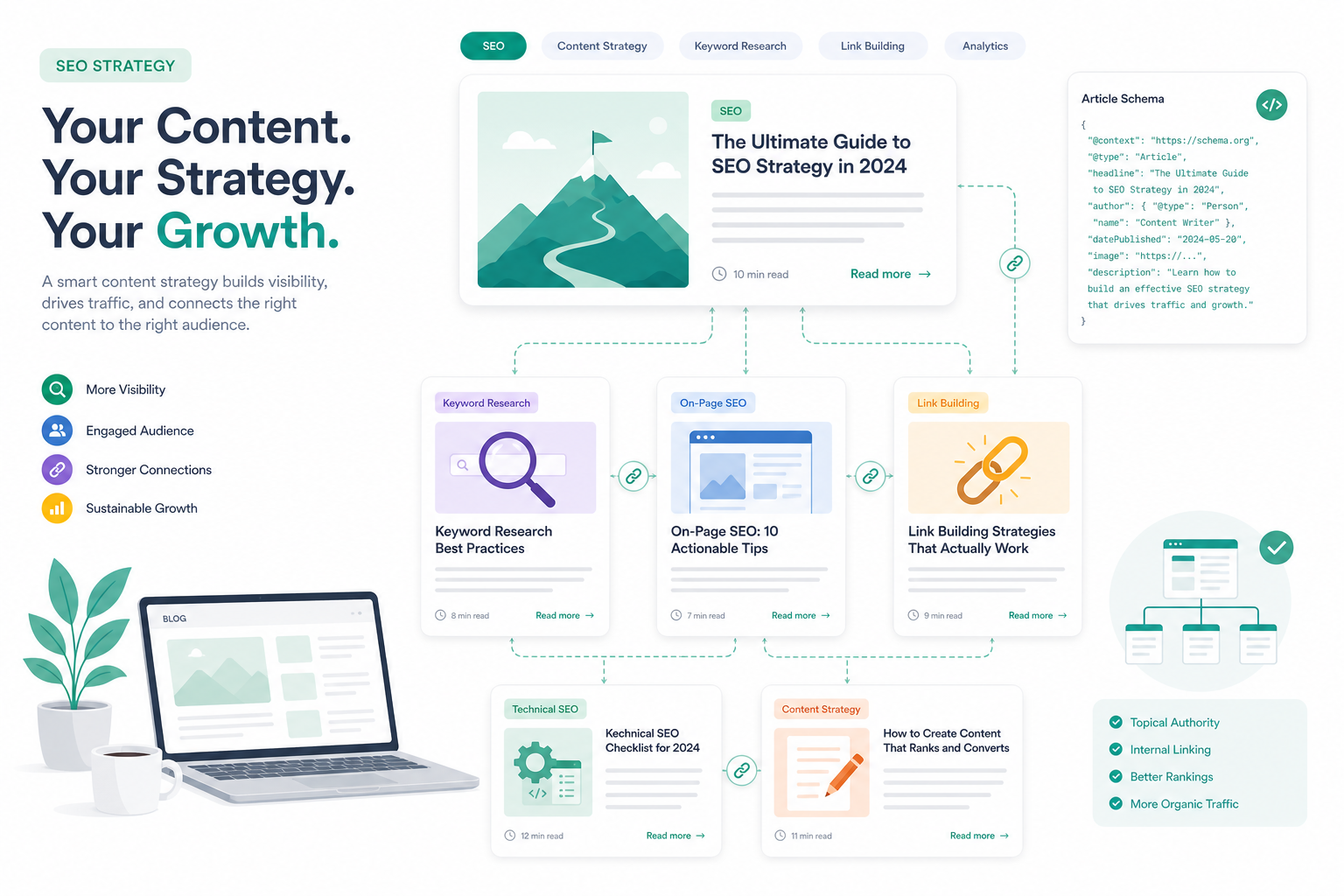
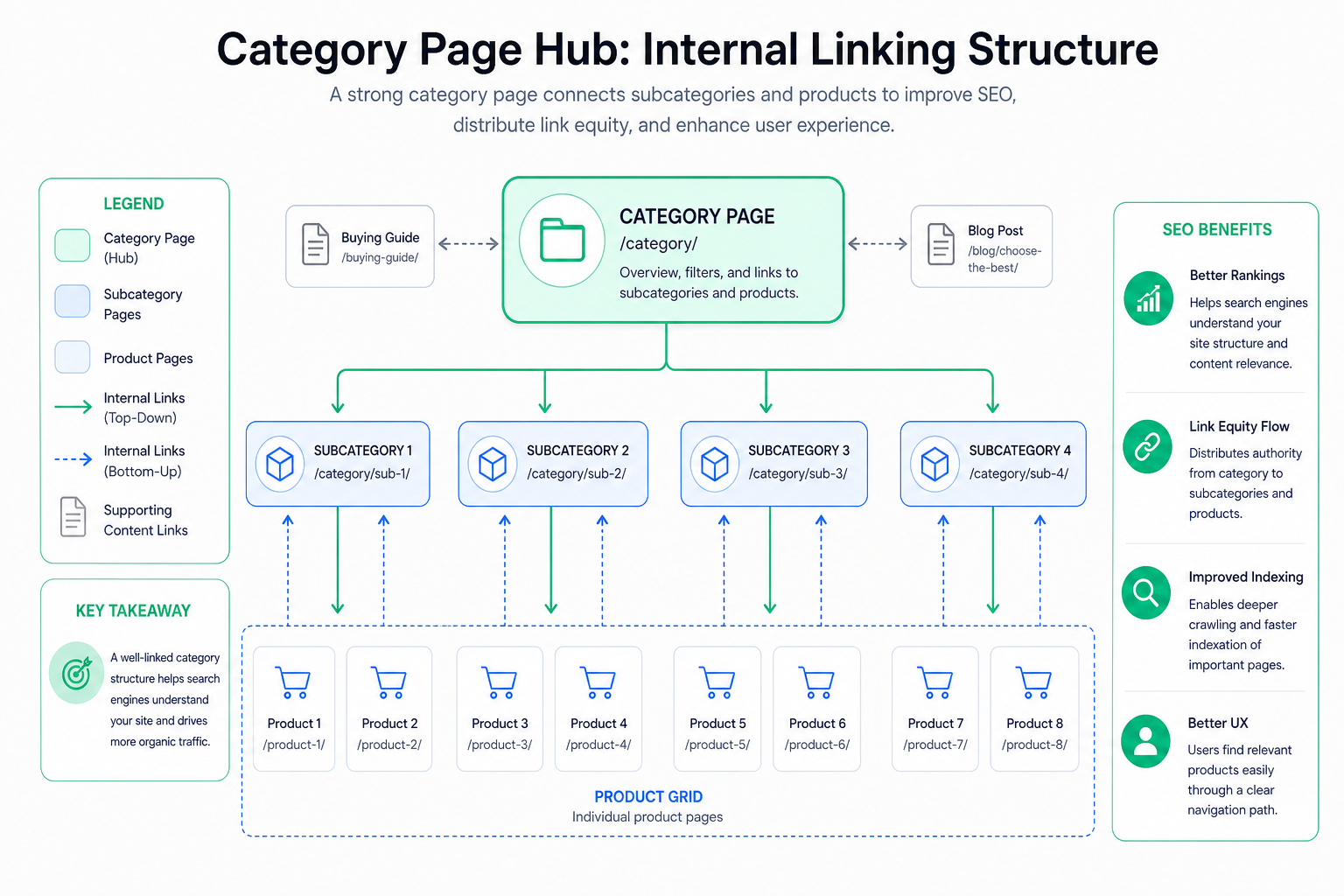
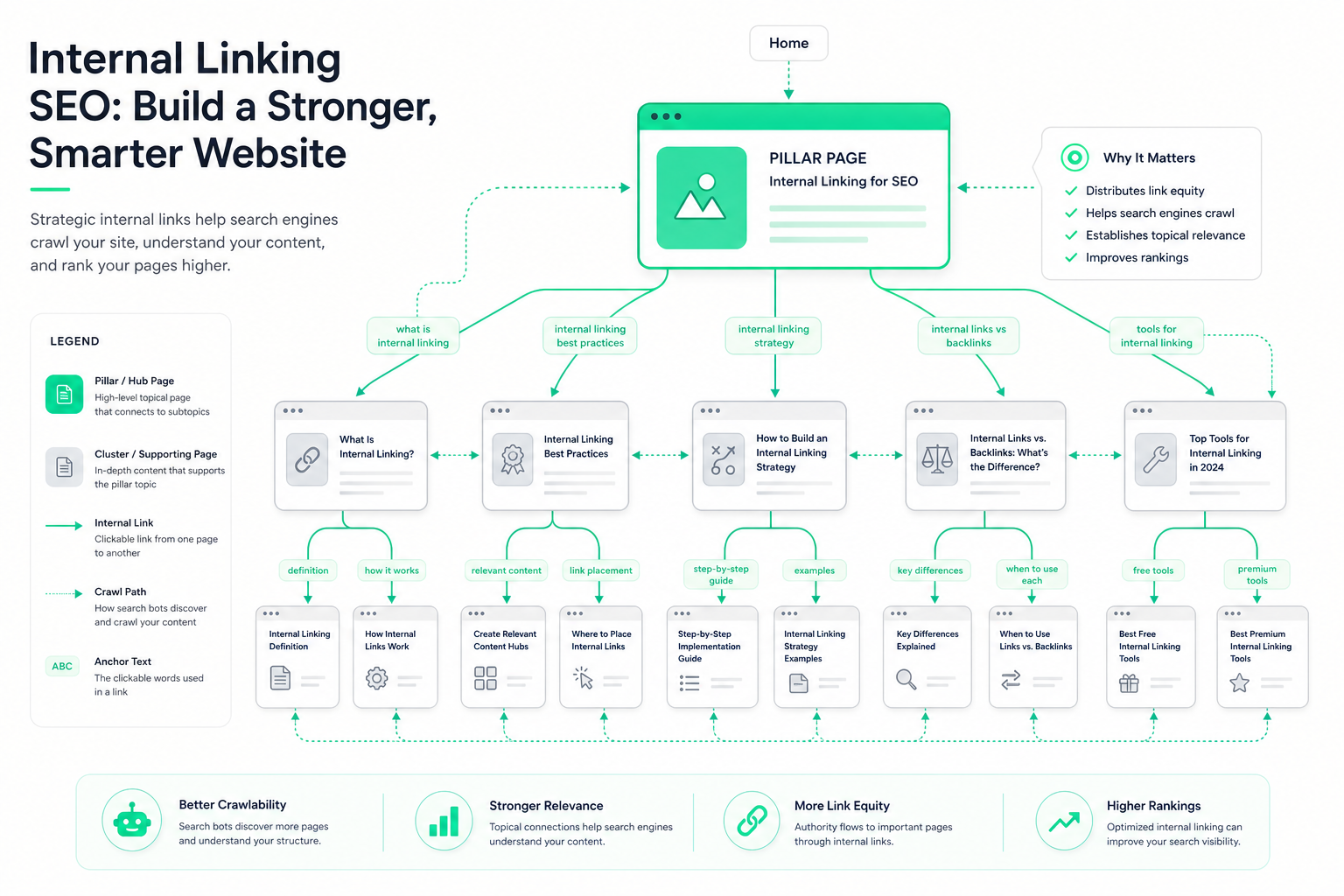
We use the topic cluster model: one pillar page (broad topic, e.g. "search engine optimization") links to multiple cluster articles (specific subtopics, e.g. "technical SEO", "keyword research"). This builds topic authority in Google's eyes.
Long-tail keywords (3+ words) are often undervalued: lower competition, higher conversion rate, easier to rank. AlgoTerra's algorithm automatically identifies long-tail opportunities from competitor analysis.
- Primary keywords — high volume, high value (e.g. "marketing agency")
- Secondary keywords — support primaries (e.g. "Google Ads agency Helsinki")
- Long-tail searches — specific, high intent (e.g. "how to optimize Performance Max")
- Brand vs. non-brand searches — tracked separately
- Competitor keywords — what competitors rank for and you don't
Technical SEO — your site's foundation
Technical SEO ensures Google can find, index, and understand your site. Many companies lose significant organic potential due to technical issues alone — orphan pages, slow pages, duplicate content, missing mobile optimization.
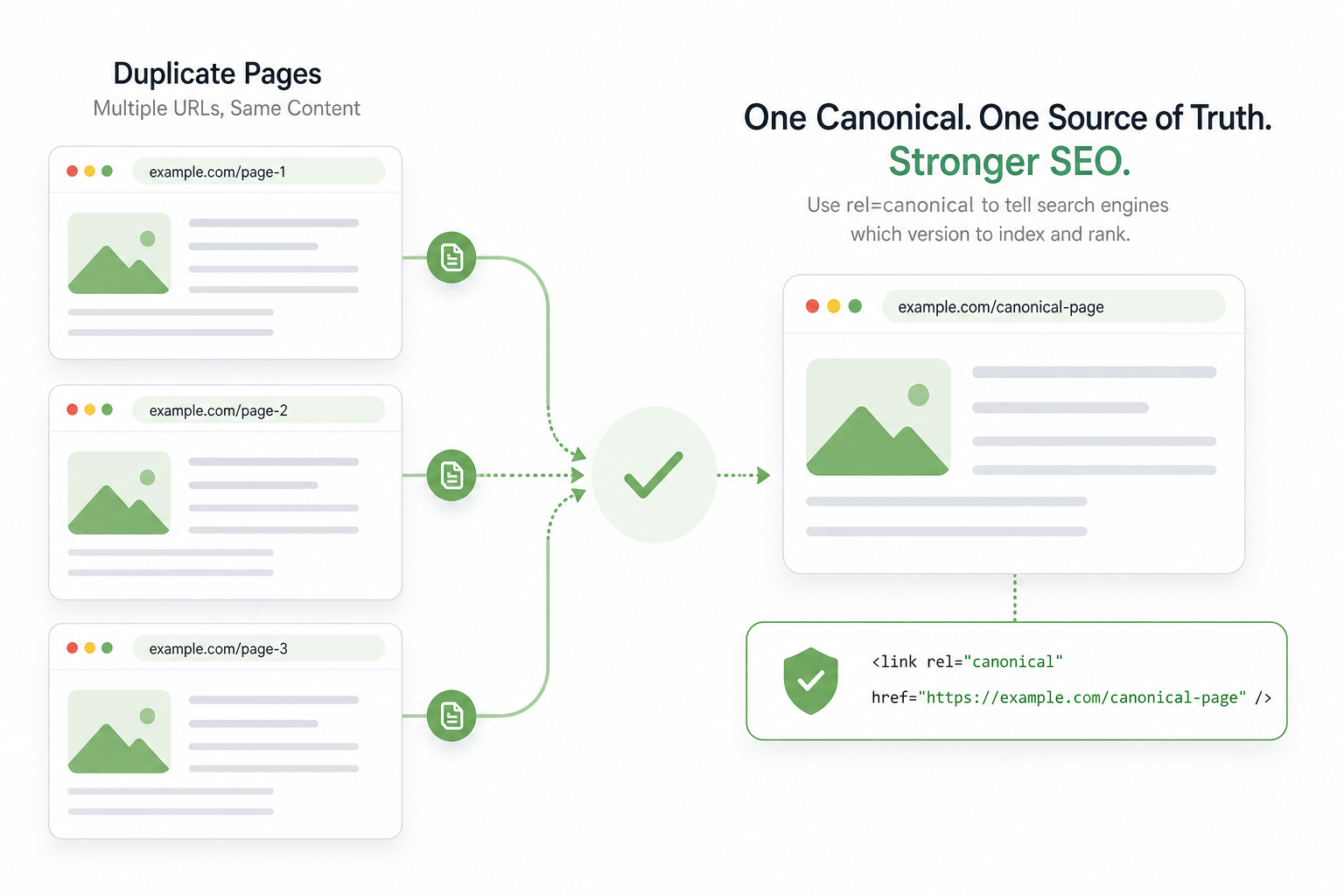
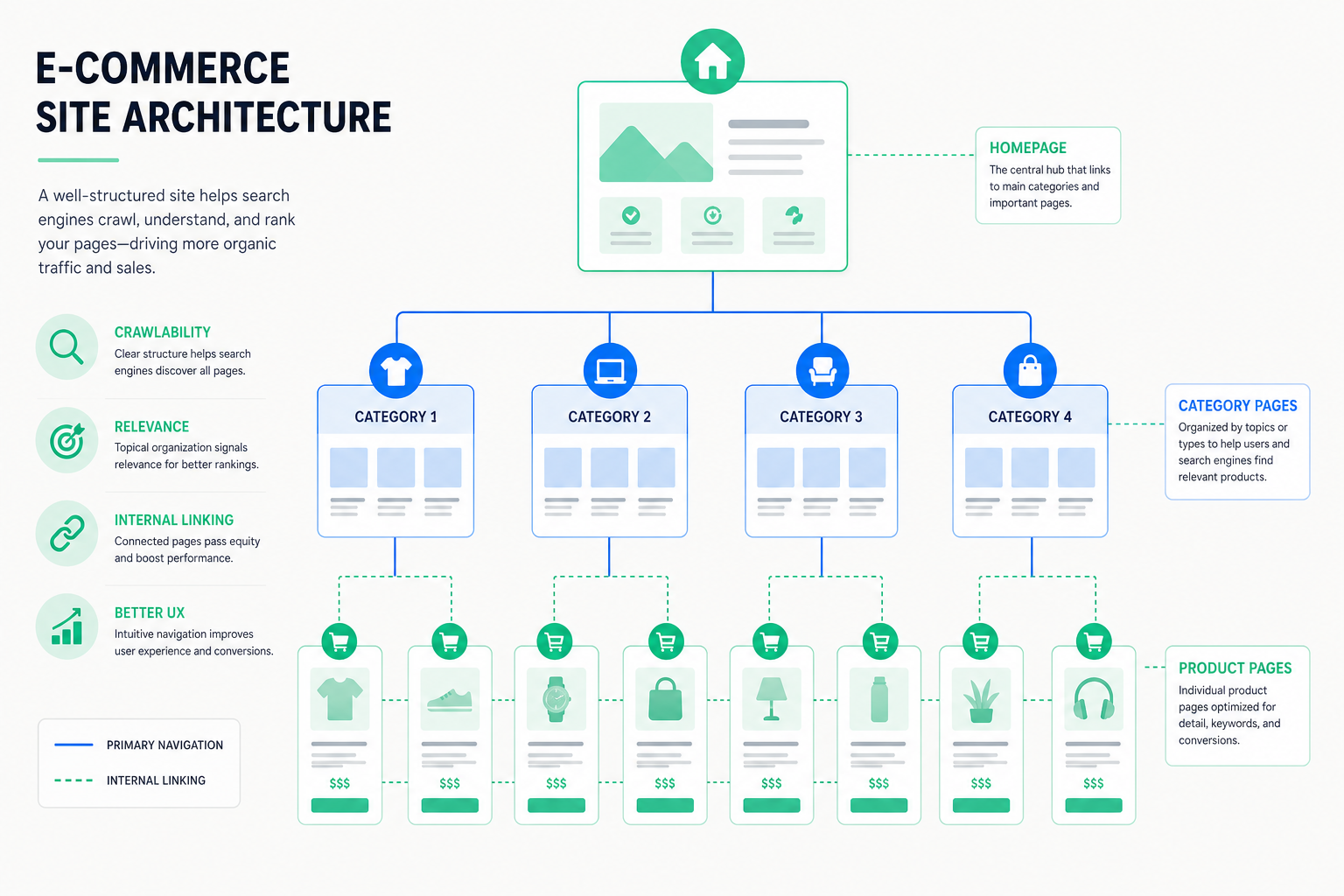
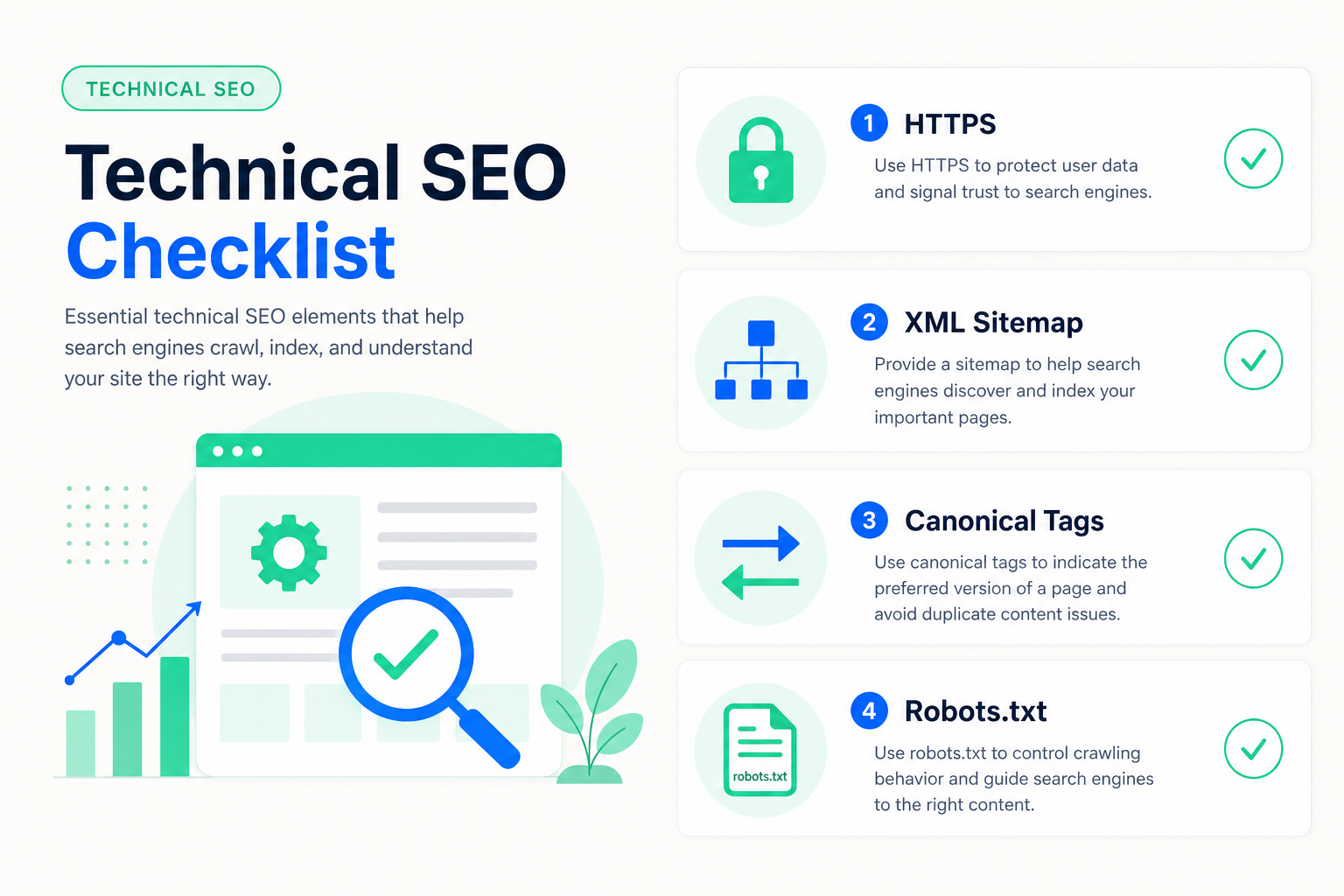
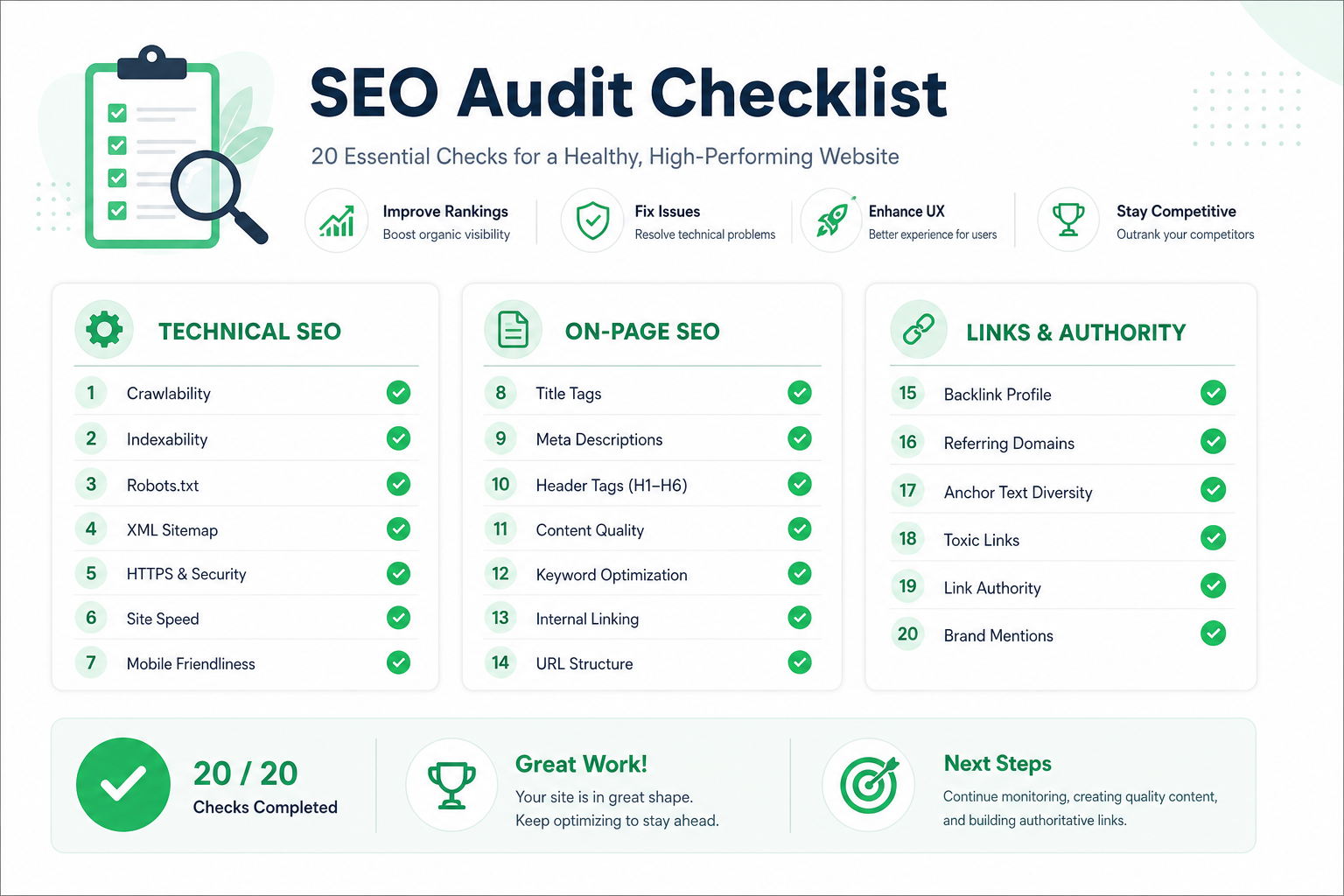
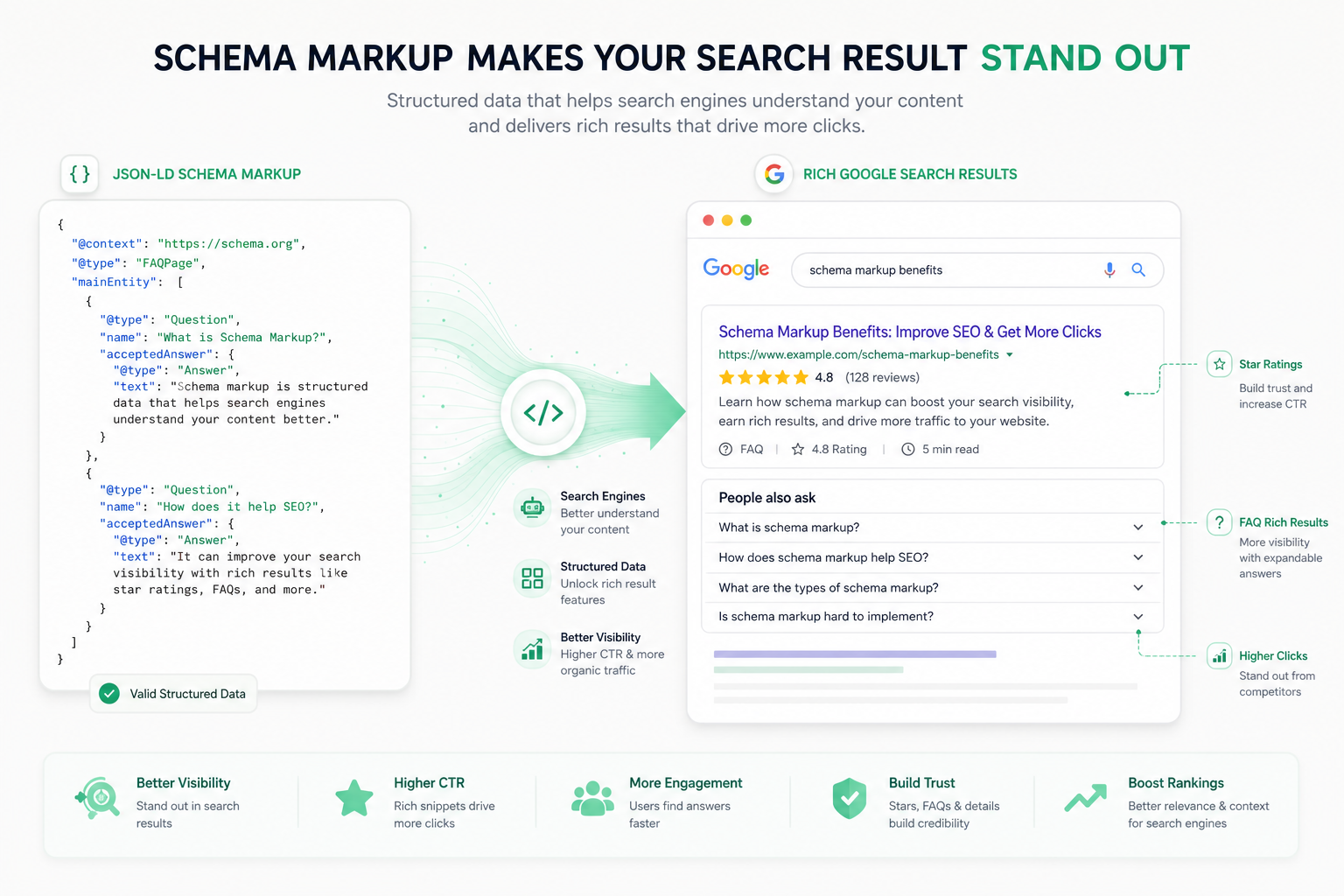
AlgoTerra's technical audit covers: Indexability — robots.txt, sitemap, canonical tags, noindex pages. Crawlability — site structure, internal linking, crawl depth. Site architecture — logical hierarchy, breadcrumb navigation. Structured data — Schema.org markup for rich snippets.
Fixing indexation issues before launching content strategy is especially important. If Google doesn't index your pages, even the best content won't help. Our audit typically reveals 20–50 technical issues, 80% of which are fixable within the first month.
- HTTPS and SSL certificate validation
- XML sitemap and robots.txt optimization
- Canonical tags and duplicate content management
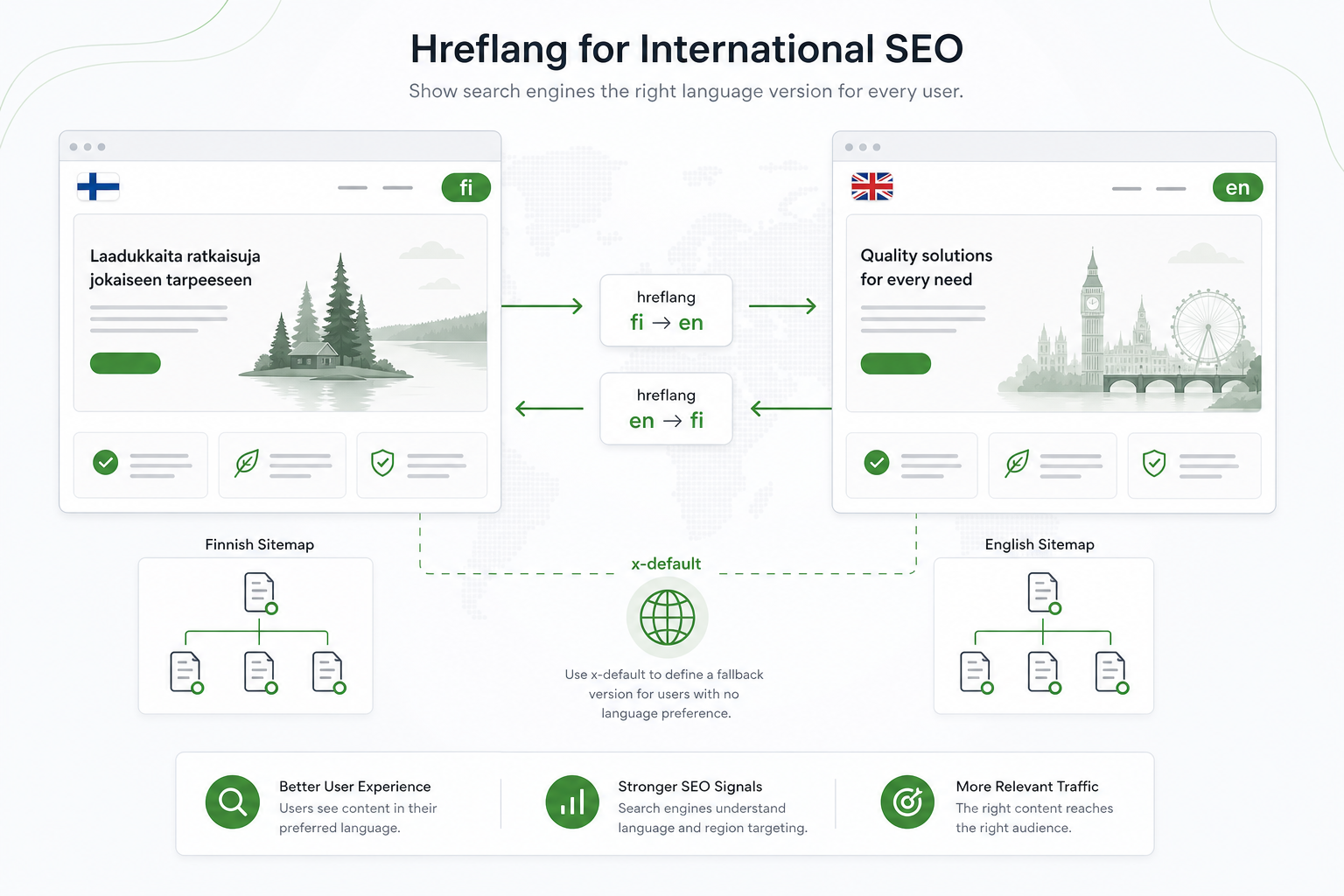
- Hreflang implementation for multilingual sites
- Schema.org: Organization, FAQ, Product, Article
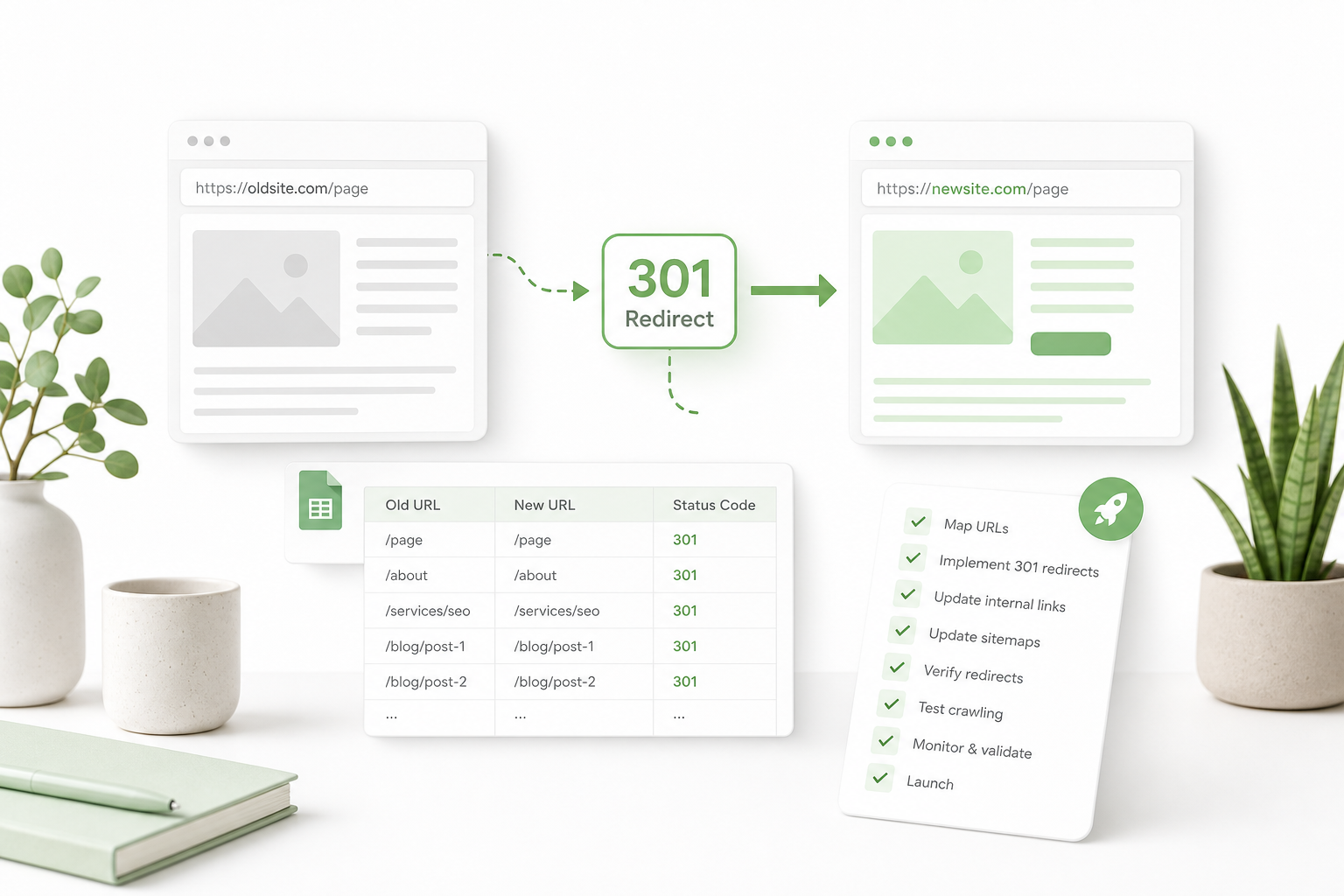
- 404 errors, redirect chains, and orphan pages
Content strategy — what Google (and users) want
Google's algorithm rewards content that answers user search intent better than competitors. This means deep, authoritative content — not 300-word superficial articles with keyword stuffing.
AlgoTerra's content strategy is based on E-E-A-T principles (Experience, Expertise, Authoritativeness, Trustworthiness). Google especially evaluates how trustworthy your content creator is in YMYL topics (Your Money Your Life) — health, finance, legal.
Our optimization process: 1) Analyze existing content with rankings. 2) Identify content gaps via competitor analysis. 3) Create content calendar with prioritized keywords. 4) Optimize or rewrite existing pages. 5) Internal linking in topic cluster model.
Content production can be done by your team with AlgoTerra briefs and optimization, or we can produce content entirely. The key is every page is optimized before publishing — not after.
Core Web Vitals — speed is a ranking signal
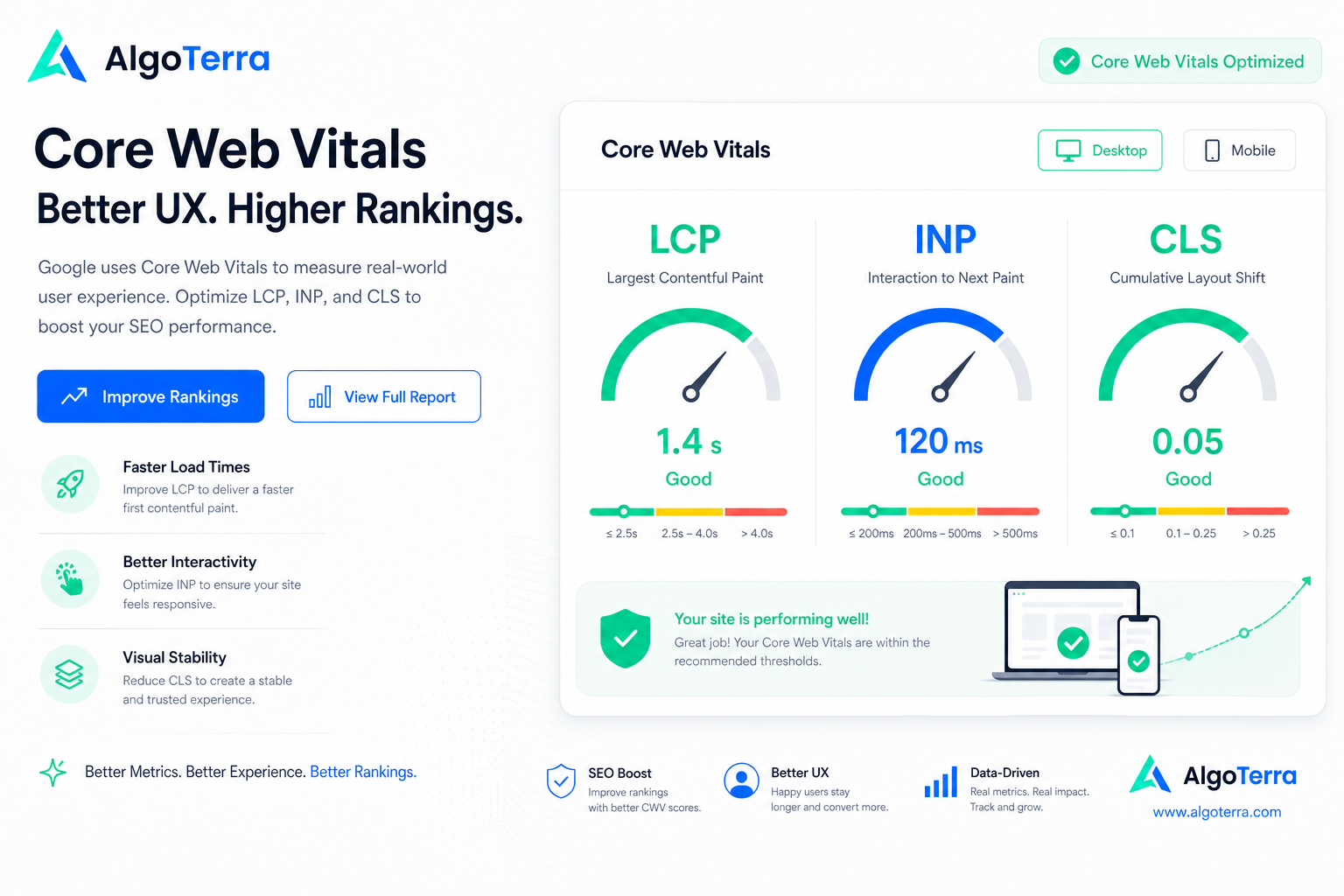
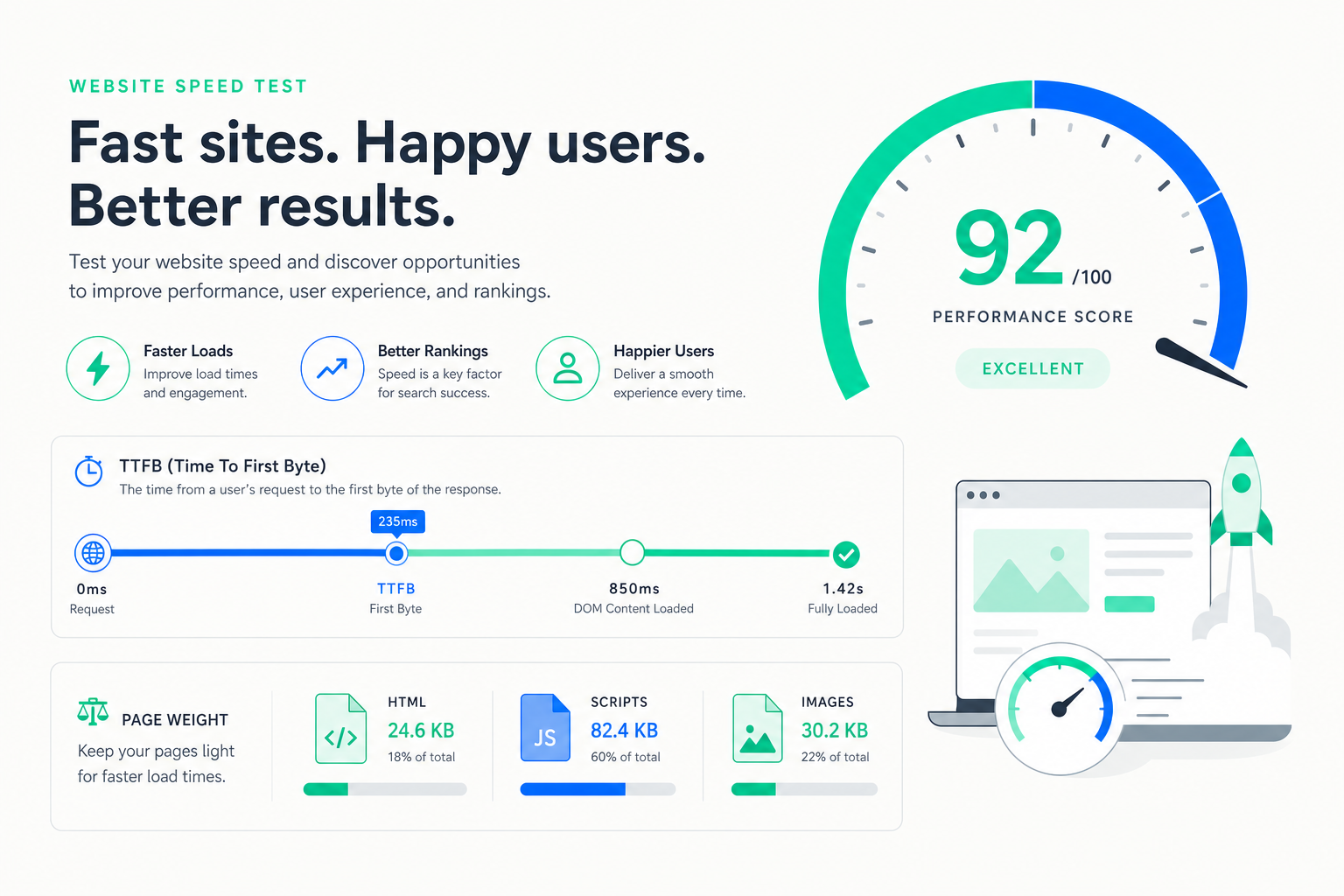
Core Web Vitals (CWV) are Google's official page quality metrics that directly affect search rankings. They measure real user experience — not server response time.
LCP (Largest Contentful Paint) — how fast the largest content element loads. Target: under 2.5 seconds. INP (Interaction to Next Paint) — how fast the page responds to user actions. Target: under 200 ms. CLS (Cumulative Layout Shift) — how much the page shifts during loading. Target: under 0.1.
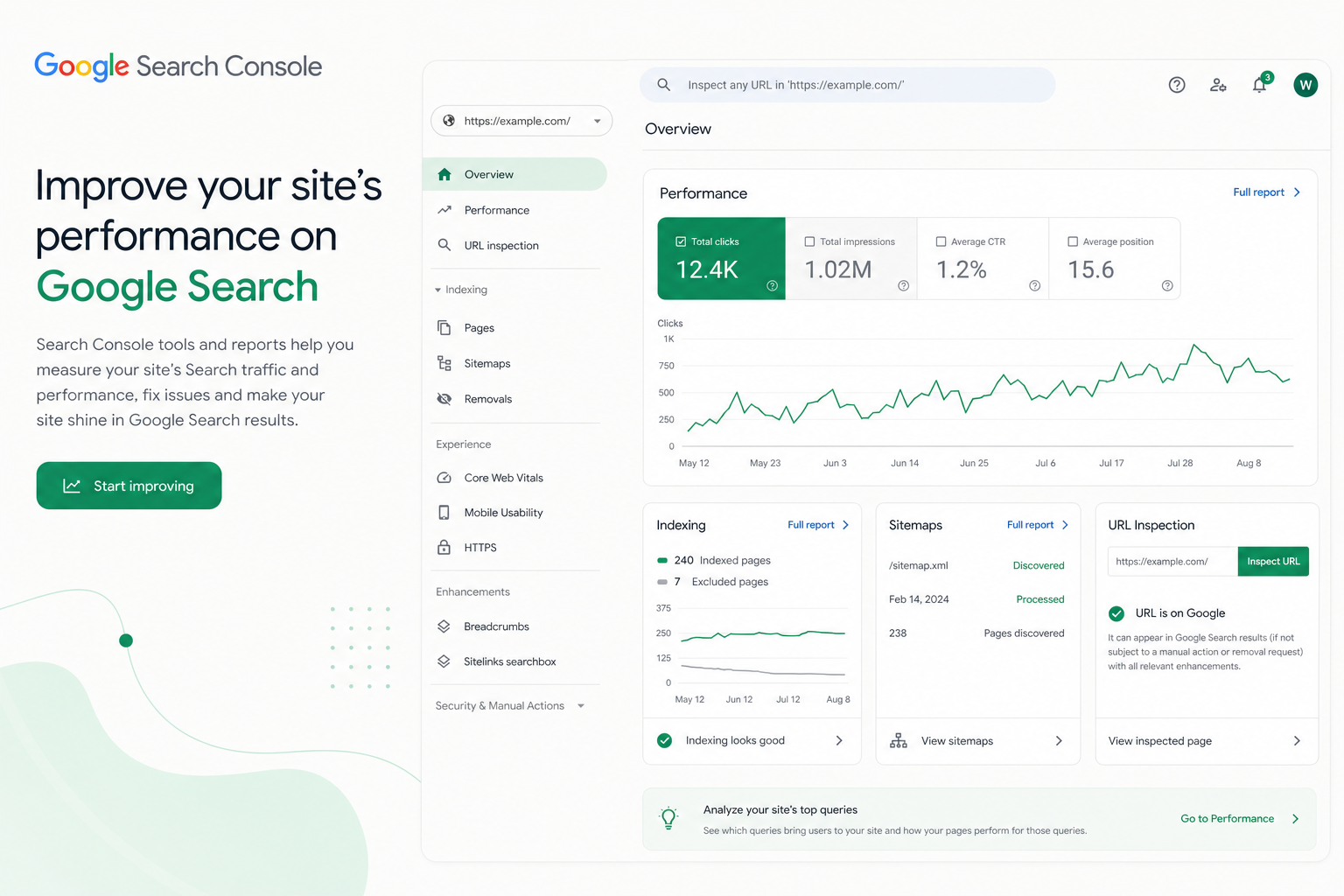
AlgoTerra monitors CWV metrics continuously via Google Search Console and CrUX data. We fix typical issues: image optimization (WebP, lazy loading), JavaScript defer/async, font preload, third-party script management, and CDN configuration.
A fast site also improves conversion rate — research shows each second of delay reduces conversions by 7%. SEO and UX are not separate — they reinforce each other.
- LCP optimization: images, fonts, render-blocking resources
- INP improvement: JavaScript optimization, event handler efficiency
- CLS fix: image dimensions, ad placements, font loading
- Mobile-first indexing — mobile version is primary
- PageSpeed Insights + Search Console monitoring
Traditional SEO agency vs. algorithmic optimization
Traditional SEO agencies often deliver monthly PDF reports and slow manual optimizations. AlgoTerra's data-driven process reacts to ranking changes faster and scales.
| Traditional SEO | AlgoTerra | |
|---|---|---|
| Keyword tracking | Monthly manual check | Real-time tracking on 2,000+ keywords |
| Technical audit | Once a year or at project start | Continuous crawl + automatic alerts |
| Content strategy | Static content calendar | Dynamic prioritization based on ranking data |
| Competitor analysis | Manual, rarely updated | Automatic gap analysis and market opportunities |
| Core Web Vitals | Rarely monitored | Weekly CWV monitoring + fix recommendations |
| Reporting | Static PDF reports | Live dashboard + monthly analysis |
| Link building | Bought links or mass outreach | Quality, relevant link building — no black hats |
SEO service 90-day process
SEO is a marathon, not a sprint — but the first 90 days define the entire strategy direction. Our process delivers measurable improvements within the first quarter.
Technical audit & fixes
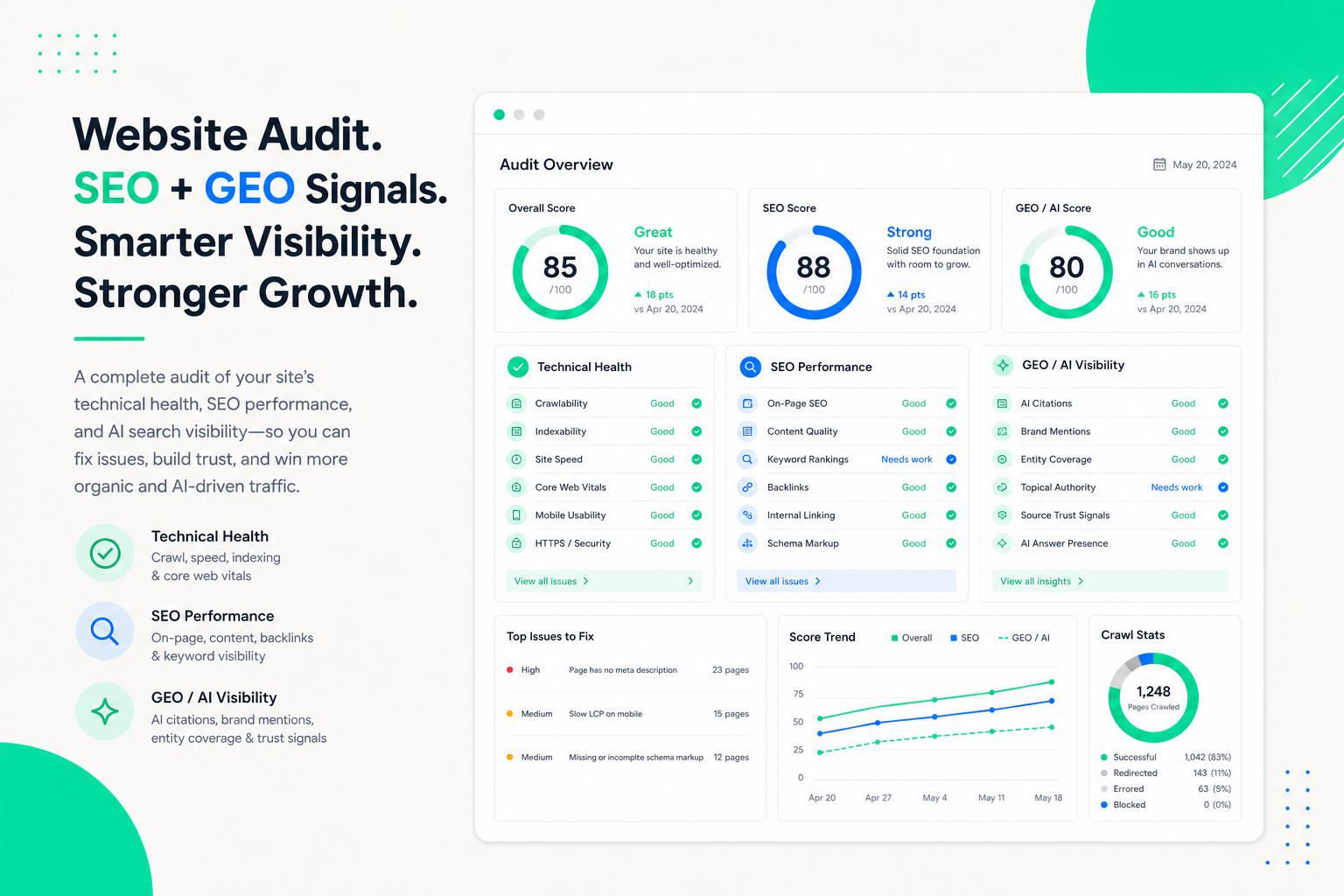
Comprehensive technical SEO audit: indexability, CWV, site structure, orphan pages, schema. We fix critical issues immediately and create a prioritized fix list.
Keyword research & content plan
We analyze 500+ keywords, identify topic cluster structure, create content calendar, and optimize most important existing pages.
Content optimization & linking
We publish or optimize content per calendar. We build internal linking, start off-page strategy, and track first ranking improvements.
Scaling & report
We scale winning content topics, expand keyword tracking, deliver 90-day results report and Q2 scaling plan.
Who is AlgoTerra's SEO service for?
SEO suits anyone with a website who wants to grow organic traffic sustainably. We achieve the best results with sites that have at least 20 pages and a clear business goal.
- B2B companies — lead generation via organic searches, thought leadership content
- SaaS companies — product-led SEO, comparison pages, documentation optimization
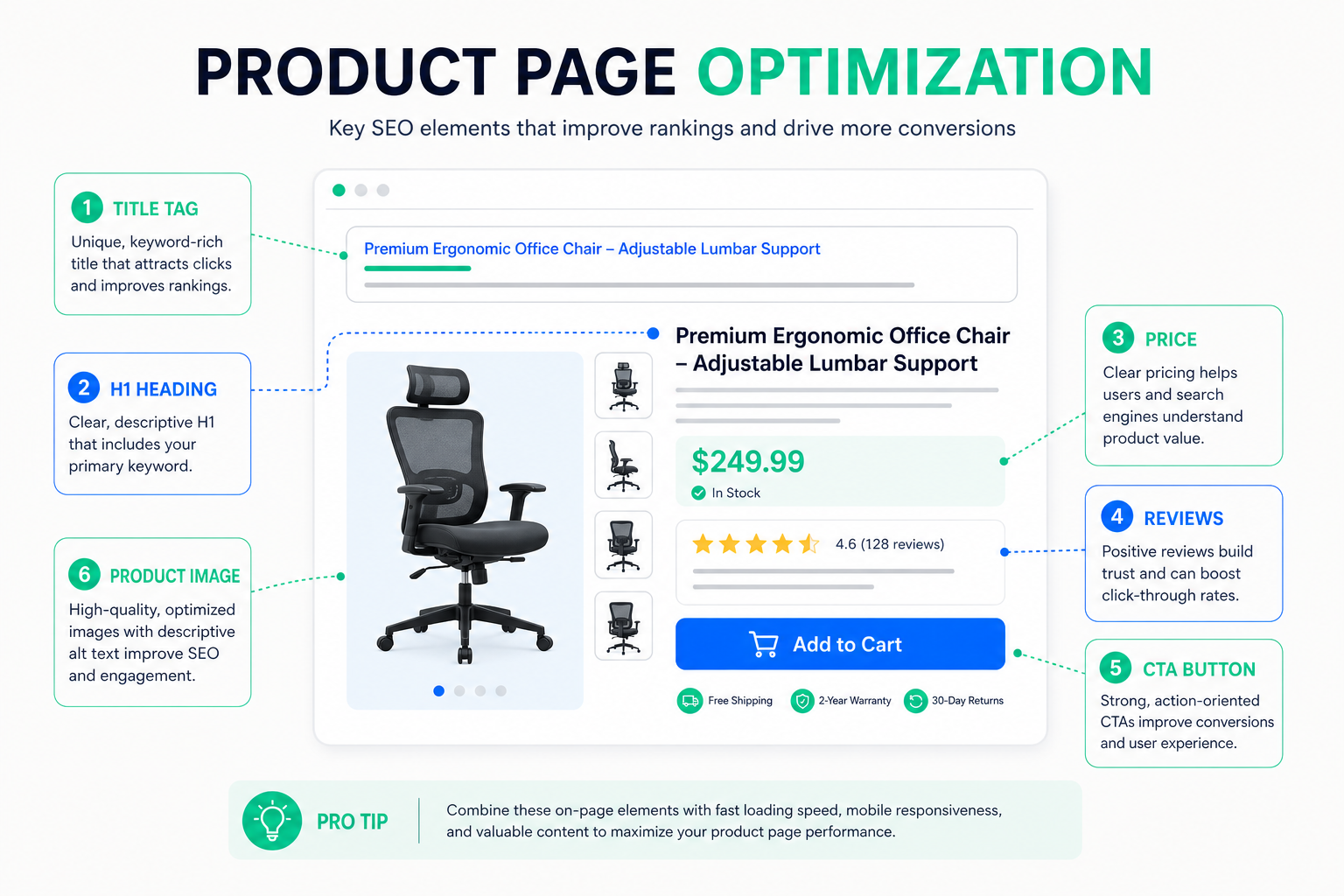
- E-commerce — product page optimization, category structures, rich snippets
- Local businesses — Local SEO, Google Business Profile, map searches
- Publishers & blogs — content strategy, topic authority, ad revenue
- New sites — SEO foundation done right from the start — cheaper than fixing later
Want to know how your site could rank better?
Start a free technical SEO test — get a preliminary report in your inbox in minutes. Speed and SEO/GEO tests are available too. No commitment.
Rank #14 → #2"Our SEO ranking for the main keyword jumped from #14 to #2 in two months. Organic traffic grew 340% in eight months."
Ready to grow organic traffic?
We start with a technical SEO audit and build a content strategy within 14 days. First ranking improvements typically within 60–90 days.
Glossary
Search engine optimization has its own terminology — from algorithms to metrics. Below we explain the key SEO concepts. View full glossary →
- Organic Traffic
- Website traffic from search engines' free (non-paid) results. Measured in Google Analytics as "Organic Search" channel. SEO's primary metric.
- SERP (Search Engine Results Page)
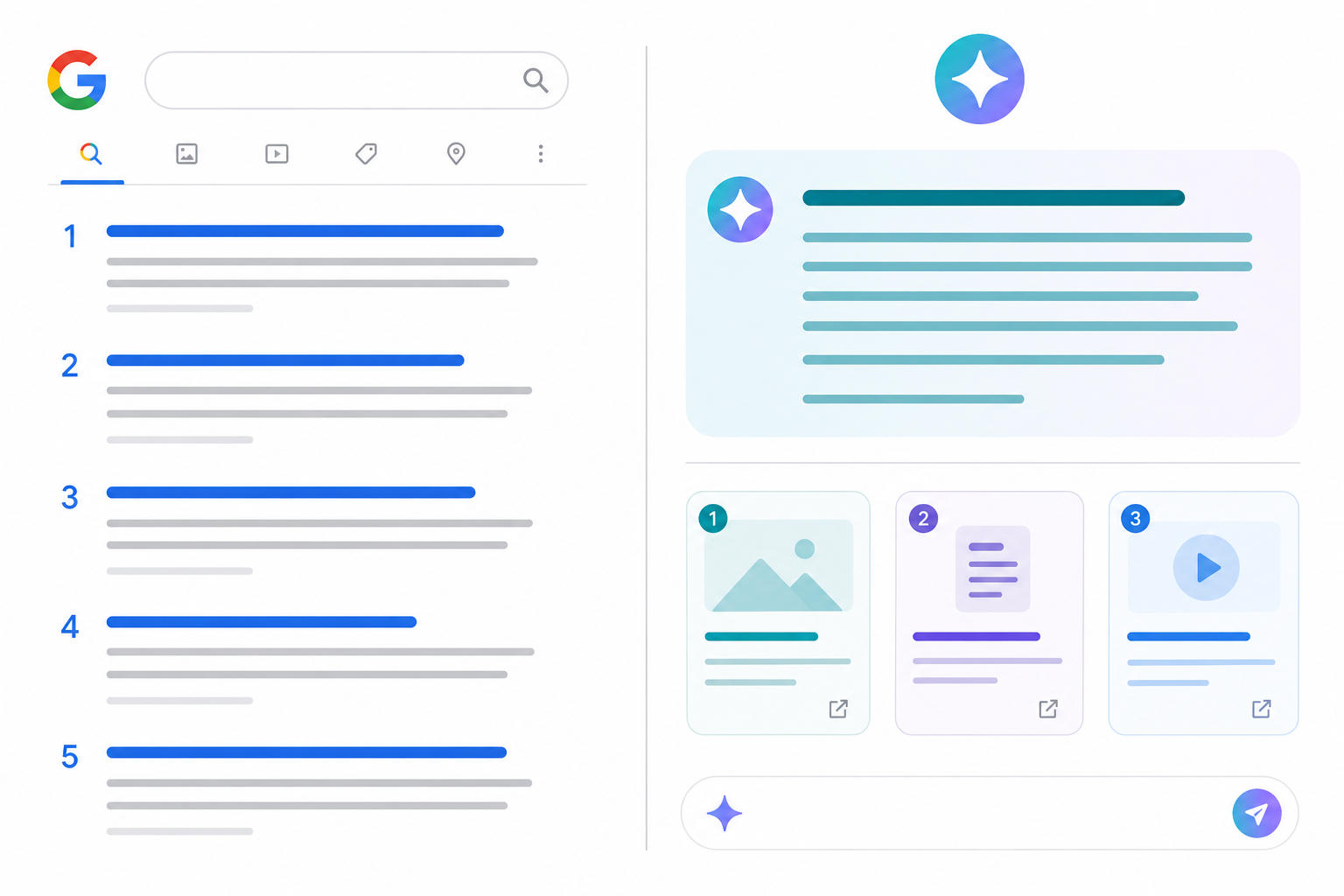
- Search engine results page — the list of results Google shows for a query. SERP includes organic results, ads, featured snippets, People Also Ask boxes, and local pack results.
- Keyword Difficulty (KD)
- Metric (0–100) describing how hard it is to rank in the top 10 for a keyword. High KD requires more authority, content, and links. AlgoTerra prioritizes based on KD and business value.
- Backlink
- A link from another website to yours. One of Google's most important ranking signals — quality backlinks raise domain authority. Quality > quantity.
- Domain Authority (DA/DR)
- Third-party metric (Moz DA, Ahrefs DR) of domain authority on a 0–100 scale. Higher DA/DR makes ranking new pages easier.
- Indexation
- Process where Google adds your page to its search database. A page can be crawled but not indexed — then it won't appear in search results. Indexation issues are the most common technical SEO problem.
- Core Web Vitals
- Google's official page quality metrics: LCP (load speed), INP (interactivity), CLS (visual stability). Affect search rankings and user experience.
- E-E-A-T
- Experience, Expertise, Authoritativeness, Trustworthiness — Google's content quality criteria. Especially important in YMYL topics (health, finance). Built through expert content, transparency, and trusted sources.
- Internal Linking
- Links within your site from page to page. Distributes site authority (link equity), helps Google understand site structure, and keeps users on site longer.
- Featured Snippet (Position Zero)
- Highlighted search result in SERP before organic results. Answers the user's question directly. Achieved with structured content: lists, tables, FAQ format.
- Crawl Budget
- Googlebot's resources for crawling your site. On large sites (10,000+ pages), crawl budget optimization ensures most important pages get indexed.
- Schema Markup (Structured Data)
- JSON-LD code that helps Google understand page content. Enables rich snippets (star ratings, FAQ, product info) in search results.